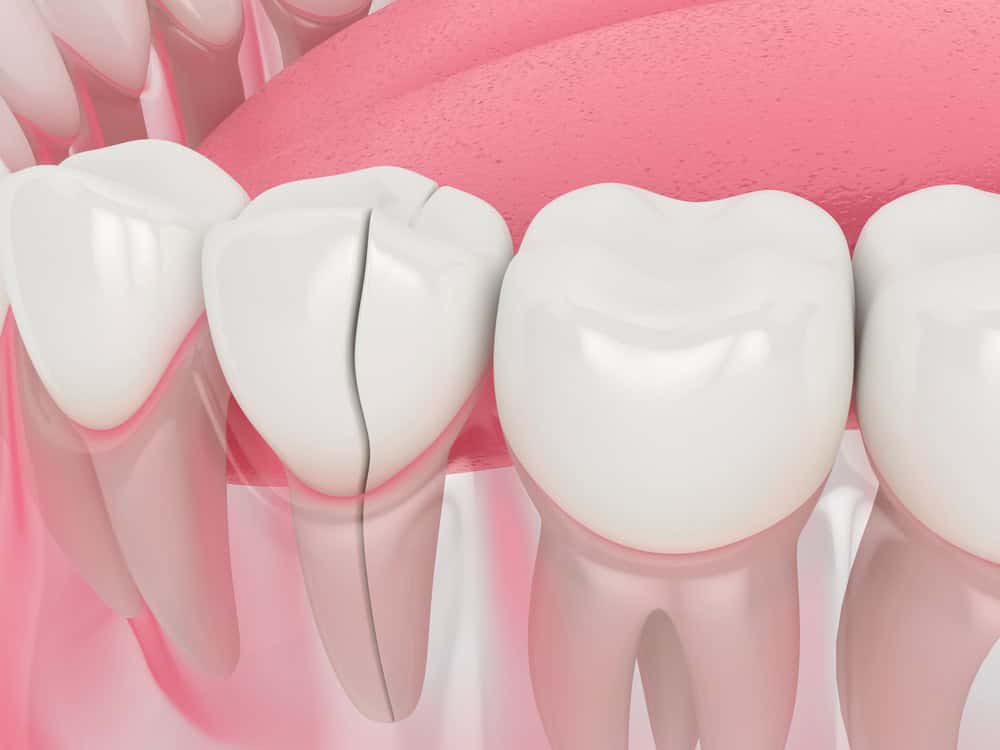
If a tooth breaks off at the gum line and part of the root remains in the gums, it may require assessment by a dentist. A broken tooth root left in the gum may occur due to tooth decay, trauma or a fracture and can sometimes be associated with discomfort, swelling, infection or other dental concerns.
The appropriate treatment depends on the condition and position of the remaining root, the surrounding tissues and your individual oral health. A dentist can assess the area and discuss the treatment or management options that may be suitable.
This article explains what can happen when a tooth root remains in the gums, possible causes and symptoms, and treatment options that may be considered following a dental assessment.
What Causes a Tooth to Break Off at the Gum Line?
A tooth that breaks off at the gum line may leave part of the root in the gum. This can occur for several reasons, including:
- Age: As teeth age, they may become more prone to cracks and fractures. Individuals over 50 may have an increased risk of experiencing tooth fractures due to natural wear and tear.
- Biting Hard Foods: Consuming hard foods such as ice, candy, or popcorn kernels may potentially contribute to tooth cracks in some cases.
- Teeth Grinding (Bruxism): Grinding or clenching teeth, often due to stress, may lead to gradual wear and possible cracking over time.
- Dental Trauma: Injuries from falls, sports, or accidents may result in cracked teeth.
- Previous Dental Procedures: Large fillings or root canal treatment without subsequent crown placement may weaken teeth, potentially making them more susceptible to fractures.
- Excessive Pressure or Hard Trauma: Heavy impacts or pressure on teeth, especially where teeth are already weakened, may contribute to root fractures.
What Happens If a Tooth Root Remains in the Gums?
When part of a tooth root remains beneath the gumline, it may potentially increase the risk of dental complications if left untreated. The remaining root can create an environment where bacteria may accumulate, which could contribute to inflammation or infection of the surrounding tissues.
Some people may experience symptoms such as pain, swelling, tenderness, bad taste, or difficulty chewing. In other cases, there may be no immediate symptoms, even though an underlying issue may still be present.
A retained tooth root may also affect neighbouring teeth, gum health, and the supporting bone around the affected area. For this reason, it is generally advisable to consider arranging a dental assessment if you suspect part of a tooth root remains in the gums.
What Should You Do If a Tooth Breaks Off at the Gum Line?
If you believe a tooth has broken and part of the root remains beneath the gumline, you may wish to consider the following steps:
- Avoid Attempting Removal at Home: Attempting to remove a retained tooth root yourself may potentially lead to injury, infection, or further damage to the surrounding tissues.
- Rinse With Warm Salt Water: A gentle warm saltwater rinse may help keep the area clean and may support comfort while you arrange a dental appointment.
- Avoid Chewing on the Affected Side: Reducing pressure on the area may help minimise discomfort and may reduce the likelihood of further irritation.
- Arrange a Dental Appointment: A dentist can assess the affected area and discuss possible management options based on your individual circumstances.
Treatment Options for a Broken Tooth or Molar When the Root Remains in the Gum
- Root Canal Therapy: If the tooth can be preserved, root canal treatment may be considered to help remove damaged or infected pulp before sealing and restoring the tooth with a crown.
- Extraction: If the tooth is significantly damaged, extraction may be considered to remove the tooth and any remaining root, which may help reduce the risk of infection or further concerns.
- Dental Implants or Bridges: Following extraction, replacement options such as dental implants or bridges may be considered to help restore function and appearance.
- Periodontal Care: In some cases, a retained root may be associated with periodontal concerns. Management may include deep cleaning (scaling and root planing), and in more advanced situations, procedures such as flap surgery, bone grafting, gum grafting, or guided tissue regeneration may be considered depending on individual needs. These procedures may be performed by a periodontist when appropriate.
Signs You Should Seek Prompt Dental Care
- Persistent tooth pain
- Swelling of the gums, face, or jaw
- Bleeding around the affected area
- Pus or discharge
- Difficulty chewing
- A bad taste in the mouth
- Increasing discomfort over time
Final Thoughts
A tooth that has broken with the root remaining in the gums may benefit from being assessed rather than ignored. While some retained roots may not cause immediate symptoms, they can sometimes be associated with infection, discomfort, or other possible oral health concerns.
Because every situation is different, a dental assessment may help in understanding the condition of the remaining root and discussing possible management options.
If you are concerned about a broken tooth root or are experiencing discomfort, the team at Aspendale Gardens Dental Care can assess your situation and discuss potential management options based on your individual circumstances.
Frequently Asked Questions
Can a retained tooth root cause infection?
A retained tooth root may increase the risk of infection if bacteria accumulate around the area. A dental assessment can help determine whether treatment is required.
Is a broken tooth root a dental emergency?
Not every broken tooth root or retained root is necessarily a dental emergency. However, prompt dental assessment may be appropriate if you experience significant pain, swelling, bleeding, discharge or other symptoms that are concerning.
Will a tooth root come out on its own?
In some situations, a retained root fragment may migrate over time. However, this does not occur in every case, and professional assessment is recommended.
How does a dentist remove a retained tooth root?
The method used depends on the position of the root and the surrounding tissues. Your dentist can explain the most appropriate treatment option after an examination.
Can a tooth be restored if the root remains healthy?
In some cases, treatment may be possible if sufficient healthy tooth structure remains. Suitability depends on individual clinical circumstances.
Can you remove a broken tooth root from the gum at home?
A broken tooth root should not be removed at home. Attempting to remove it yourself may cause injury or damage to the surrounding tissues. A dentist can assess the area and discuss the appropriate management options based on your individual circumstances.