If you are considering orthodontic treatment, you may be wondering whether Invisalign® or traditional braces would be more suitable. Both approaches can help address certain alignment and bite concerns, but they work differently and have different day-to-day considerations.
Orthodontic treatment needs vary from person to person, so the same option may not be suitable for everyone. The appropriate treatment depends on your teeth, bite, treatment goals, and individual circumstances.
Clear Aligners vs Traditional Braces: How Do They Work?
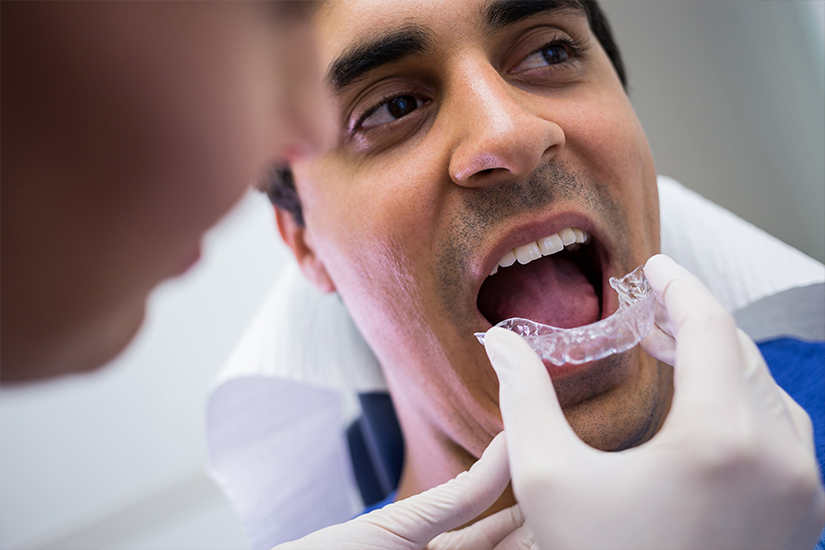
Invisalign® and Angel Aligner are clear aligner systems that use removable aligners to progressively guide teeth according to an individual treatment plan. Traditional braces use brackets and wires attached to the teeth to apply controlled forces over time.
Your dentist or orthodontic provider can assess your teeth and discuss which approach may be suitable.
How Do Clear Aligners Work?
Invisalign® works through a planned series of clear aligners that are designed to progressively move the teeth. Each set is worn for a period of time before moving to the next set in the sequence.
Other clear aligner systems, such as Angel Aligner, also use a series of removable aligners as part of an individualised treatment plan.
Because the aligners are removable, they can be taken out for eating, drinking and brushing. However, following the recommended wearing schedule is an important part of treatment.
How Do Traditional Braces Work?
Traditional braces use brackets attached to the teeth and an archwire that connects them. The wire applies controlled pressure, while adjustments during appointments help guide the teeth progressively.
Unlike clear aligners, braces remain attached to the teeth throughout treatment.
What Is Angel Aligner?
Angel Aligner is another clear aligner system that uses a series of removable aligners to progressively move the teeth according to an individual treatment plan. It may be considered for certain alignment and bite concerns, depending on the individual case.
Aspendale Gardens Dental Care provides Angel Aligner treatment as one of the clear aligner options available to eligible patients. Your dentist can assess your teeth and bite and discuss whether Angel Aligner may be suitable for your orthodontic needs.
Clear Aligners vs Traditional Braces: What Are the Main Differences?
- Appearance
Invisalign aligners are transparent and designed to be less noticeable than traditional metal braces. Braces are more visible because of their brackets and wires, although different types of braces are available.
- Removability
Clear aligners such as Invisalign® and Angel Aligner are removable, allowing them to be taken out for meals and daily teeth cleaning. Traditional braces are fixed and cannot be removed by the wearer.
- Eating and Drinking
With clear aligners, aligners are generally removed before eating. Braces require greater care around certain hard, sticky or chewy foods that may damage brackets or wires.
- Cleaning and Oral Hygiene
Removable aligners allow you to brush and floss without orthodontic appliances in the way. Braces require careful cleaning around brackets and wires to help maintain good oral hygiene.
- Comfort
Both treatments can cause temporary pressure, tenderness, or discomfort as the teeth move. Invisalign aligners do not use metal brackets or wires, while braces may occasionally cause irritation inside the cheeks or lips.
- Dental Appointments
Both options require regular appointments to monitor progress. Clear aligner treatment involves progressing through aligner sets, while braces require periodic adjustments and monitoring.
- Types of Dental Problems Treated
Clear aligner treatment, including Invisalign® and Angel Aligner, may be considered for certain alignment concerns, including some cases of crowding, spacing and bite problems. Suitability depends on the complexity of the individual case.
Who May Be Suitable for Clear Aligners?
Clear aligner treatment may be an option for people with certain alignment or bite concerns who are able to wear their aligners as recommended. Because the aligners are removable, consistent use is important.
A dental assessment is needed to determine whether clear aligner treatment is suitable for your particular teeth and treatment needs.
Who May Be Suitable for Traditional Braces?
Traditional braces may be considered for people requiring orthodontic correction across a range of dental and bite concerns. They can also be an option when a fixed appliance is considered more appropriate for the treatment required.
How Long Does Treatment Take?
Treatment times vary depending on the type and complexity of the orthodontic problem, the chosen approach and how consistently treatment instructions are followed. Your dentist or orthodontic provider can give you a more personalised estimate after assessing your teeth.
What Should You Consider Before Choosing an Orthodontic Treatment?
Consider more than appearance alone. Think about whether you would prefer a removable or fixed appliance, your ability to follow treatment instructions, your eating and cleaning habits, and the type of orthodontic correction required.
A professional assessment is the best way to understand your options rather than choosing based solely on what you have seen online. If you are considering orthodontic treatment, Aspendale Gardens Dental Care can assess your teeth and bite and discuss the treatment options that may be suitable for your individual needs.
Is Invisalign better than braces?
Neither is universally better. Both have advantages and limitations, and the appropriate option depends on your individual orthodontic needs and circumstances.
Are clear aligners suitable for everyone?
No. Clear aligners are not suitable for every orthodontic case. An assessment is needed to determine whether clear aligners can address your particular concerns.
Are braces faster than Invisalign?
Treatment time varies for both options. The duration depends on the complexity of the case, treatment plan and individual response, so one method cannot be considered universally faster.
Can Invisalign fix crowded teeth?
Invisalign can address certain cases of crowded teeth. Whether it is suitable depends on the severity and underlying cause of the crowding.
Can you eat normally with Invisalign?
You generally remove Invisalign aligners before eating and drinking. This means you can eat without the aligners in place, while maintaining good oral hygiene before putting them back in.
How do I choose between Invisalign and braces?
Start with an assessment of your teeth and bite. Your dentist or orthodontic provider can explain the available options and help you understand which approach may be appropriate for your treatment needs.