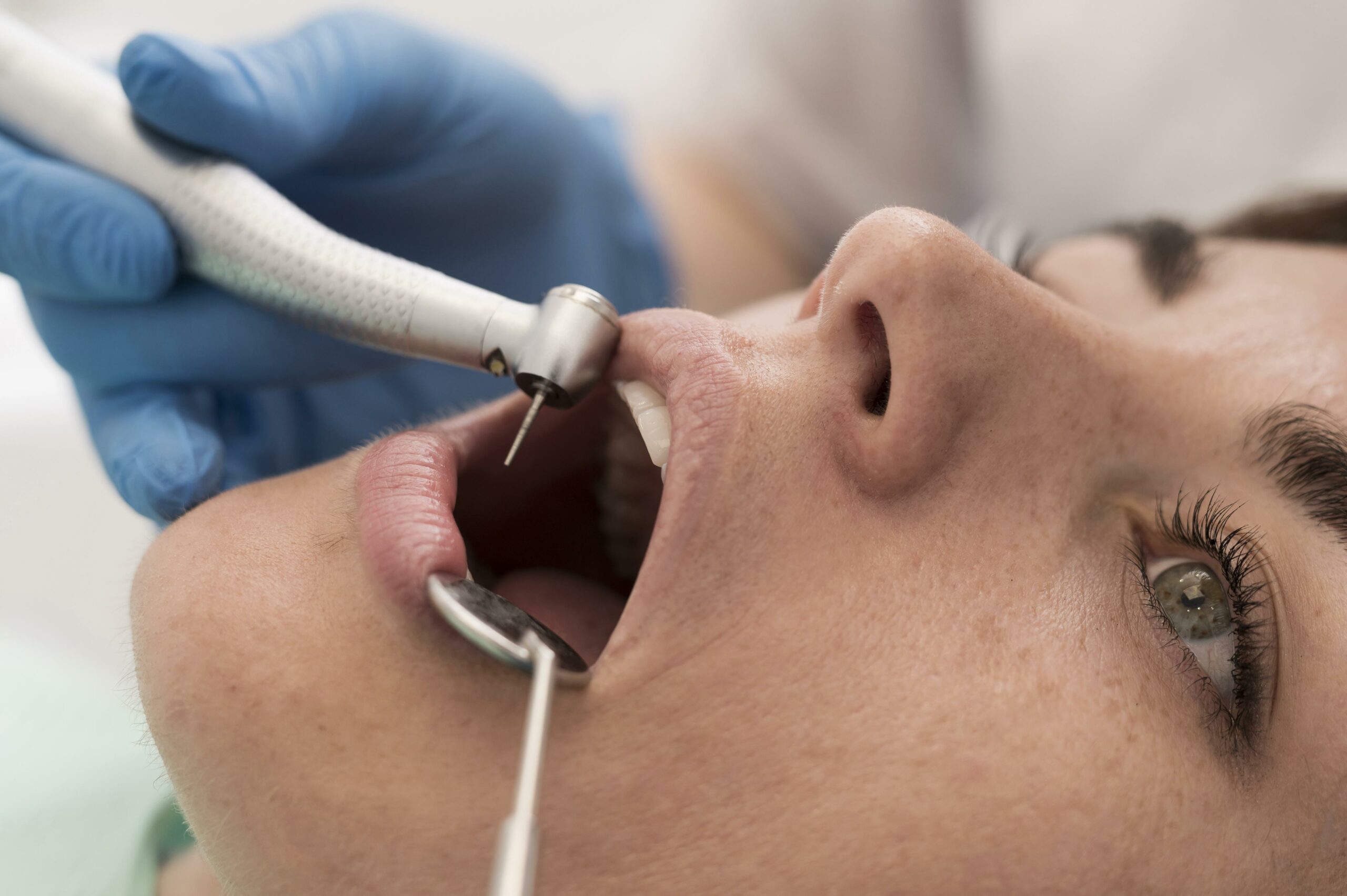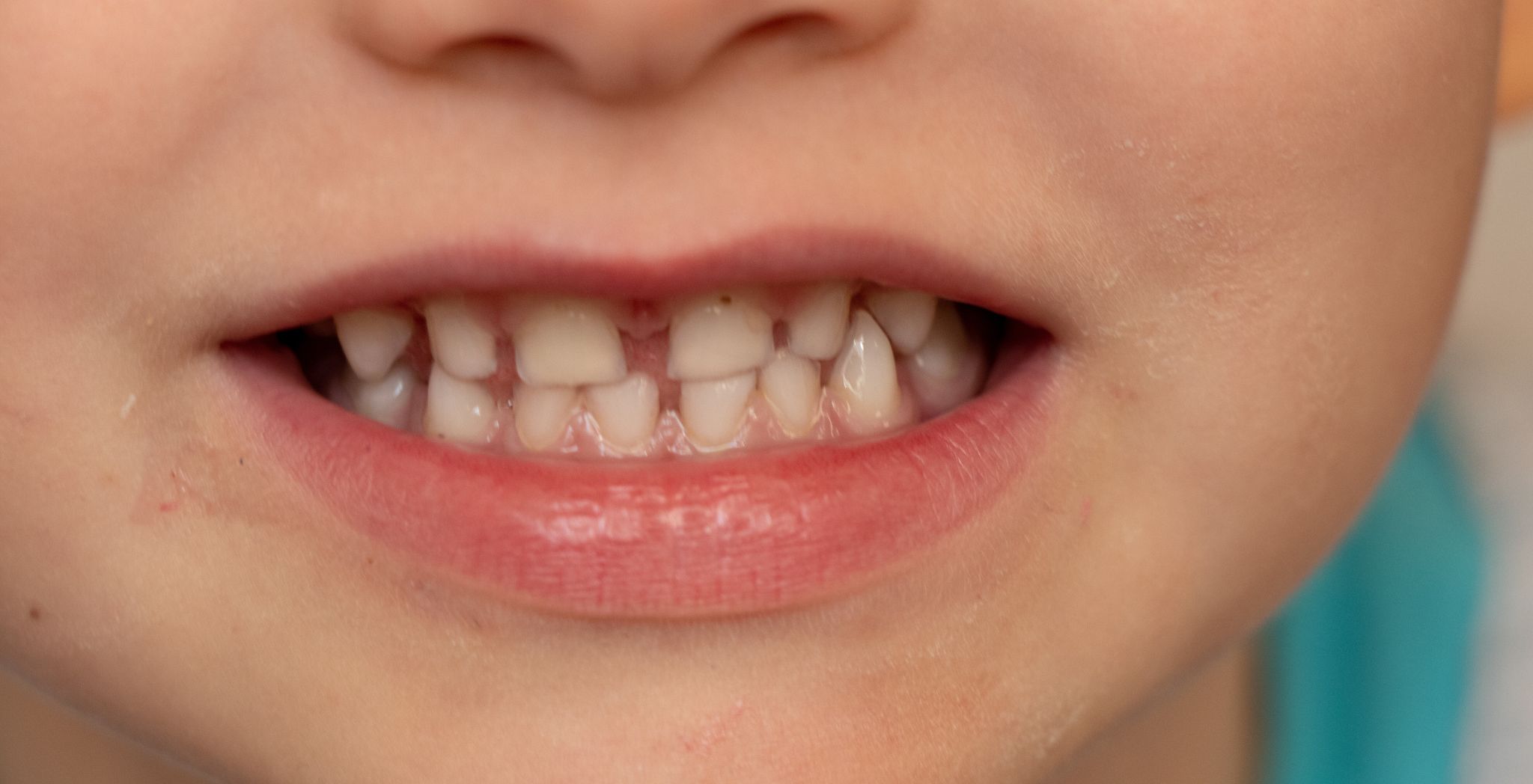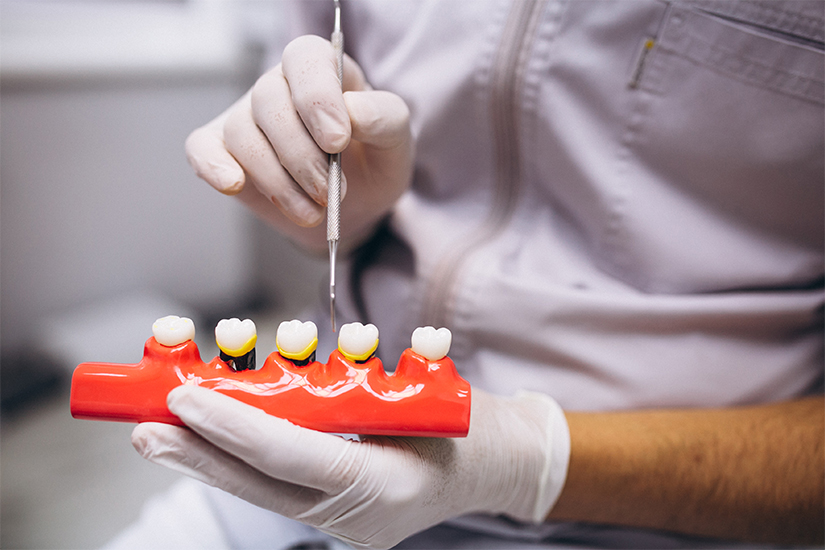
A damaged or weakened tooth does not always need to be removed. If a tooth is significantly damaged or weakened, a dental crown may help restore its shape while providing added strength and support.
But how do you know when a crown may be appropriate? Understanding the common signs can help you recognise when it may be worth having a damaged tooth assessed. At Aspendale Gardens Dental Care, a dental assessment can help determine the condition of the tooth and whether a crown or another treatment option may be suitable.
What Is a Dental Crown?
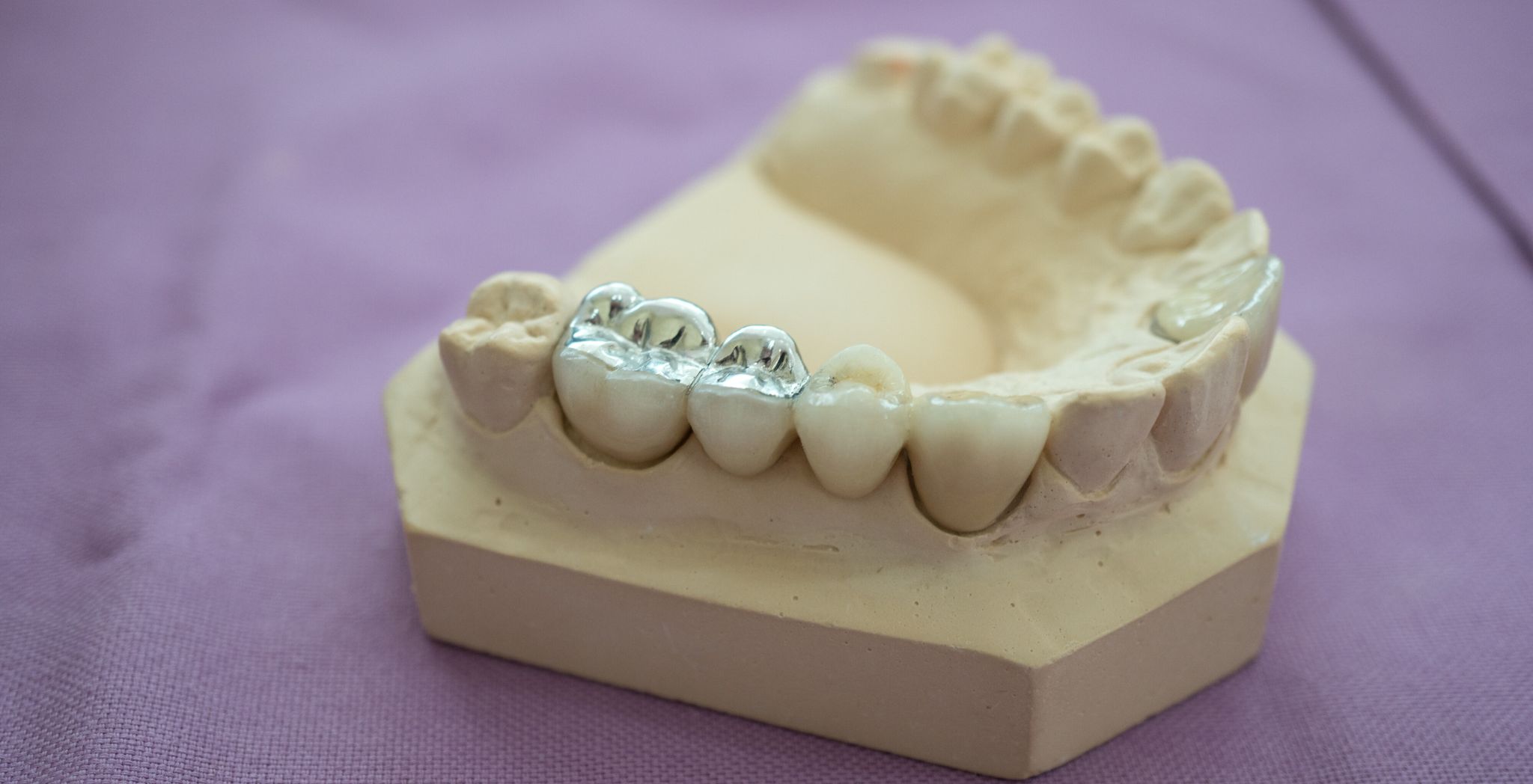
A dental crown is a custom-made restoration that covers the visible portion of a tooth. It is designed to restore a tooth that has been significantly weakened, damaged or altered by decay or previous dental treatment.
A crown may be considered when there is not enough healthy tooth structure remaining to support a filling or when additional protection is needed.
What Are the Signs You May Need a Dental Crown?
- A Cracked or Broken Tooth
A tooth that has cracked, fractured or broken may require more support than a filling can provide. The appropriate treatment depends on the location and extent of the damage, as well as how much healthy tooth structure remains.
- Extensive Tooth Decay
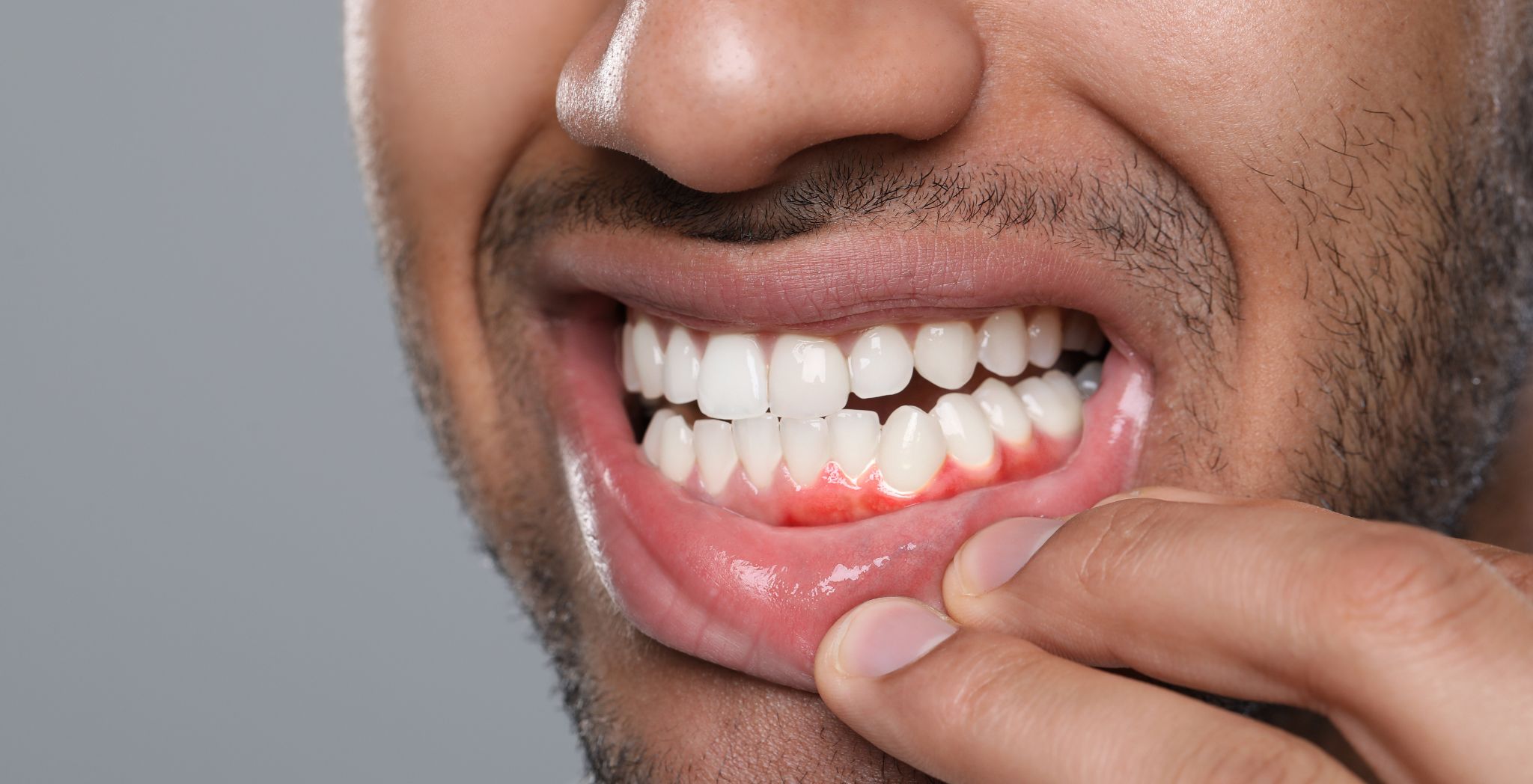
When tooth decay has affected a substantial portion of a tooth, a filling may not provide sufficient structural support. In some cases, a crown may be recommended after the decay has been treated.
- A Large or Damaged Filling
Large fillings can sometimes leave a tooth with less natural structure surrounding the restoration. If the tooth becomes weakened or the filling is damaged, your dentist may discuss whether a crown would provide more suitable protection.
- A Weak or Worn Tooth
Teeth can become worn or weakened over time due to factors such as grinding, erosion or previous dental treatment. A crown may sometimes be considered where significant tooth structure has been lost.
- A Tooth That Has Had Root Canal Treatment
Root canal treatment removes infected or inflamed tissue from inside the tooth. Depending on the tooth and the amount of remaining structure, a crown may be recommended afterwards to help restore and protect it.
- Significant Tooth Discolouration or Structural Damage
A severely discoloured or structurally compromised tooth may sometimes be treated with a crown. However, discolouration alone does not necessarily mean a crown is required. Your dentist can assess the cause and discuss suitable options.
Dental Crown vs Filling: What’s the Difference?
A filling generally restores a smaller area of a tooth affected by decay or minor damage. A crown covers the visible portion of the tooth and may be considered when more substantial restoration or protection is needed.
The choice is not simply about which treatment is “better”. It depends on the amount of healthy tooth structure remaining, the type of damage and the overall condition of the tooth.
How Is a Tooth Prepared for a Dental Crown?
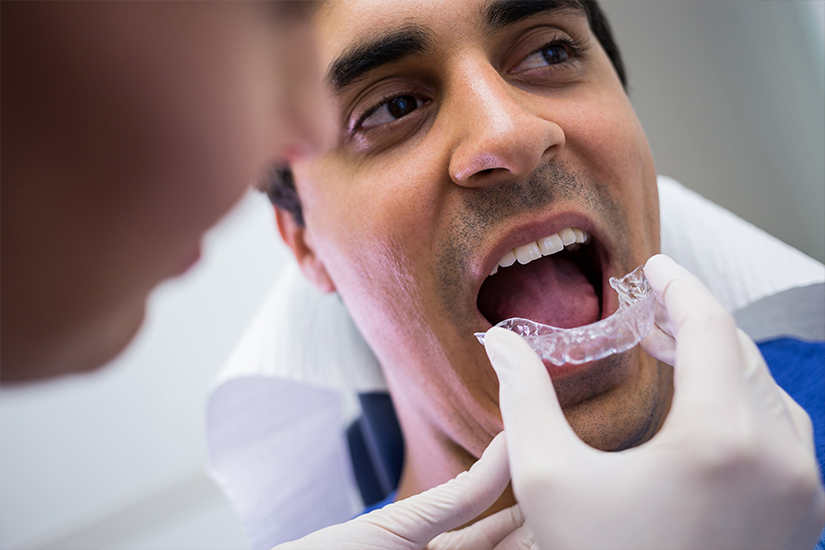
Your dentist will first assess the tooth and determine whether a crown is appropriate. If treatment goes ahead, a small amount of tooth structure may be reshaped to make room for the crown.
A temporary crown may be placed while the permanent restoration is being prepared. Once it is ready, the permanent crown is fitted and checked for comfort, appearance and function.
How Durable Are Dental Crowns?
The lifespan of a dental crown varies depending on factors such as oral hygiene, biting forces, the condition of the underlying tooth and regular dental care. With appropriate care, crowns can remain functional for many years, but they may eventually require replacement.
How Can You Look After a Dental Crown?
Good oral hygiene remains important after receiving a crown. Brush twice daily, clean between your teeth and attend regular dental appointments. Avoid using your teeth to bite hard objects and speak with your dentist if the crown feels loose, uncomfortable or damaged.
When Should You See a Dentist About a Damaged Tooth?
Do not ignore a cracked, broken, painful or significantly weakened tooth. Even if the discomfort is mild, an assessment can help determine the cause and whether the tooth can be restored.
If you have concerns about a damaged or weakened tooth, Aspendale Gardens Dental Care can assess the tooth and discuss the treatment options that may be suitable for your circumstances.
How do I know if I need a crown?
A dentist needs to examine the tooth to determine whether a crown is appropriate. Cracks, extensive decay, large fillings and significant structural damage are some situations where a crown may be considered.
Is a crown better than a filling?
Neither is universally better. A filling may be suitable for a tooth with limited damage, while a crown may be considered when more extensive restoration or protection is needed.
Does getting a crown hurt?
The procedure is performed using local anaesthetic where appropriate. You may experience some sensitivity or discomfort afterwards, which should be discussed with your dentist if it persists.
What is the lifespan of a dental crown?
Crowns can last for many years, although their lifespan varies between individuals and depends on oral hygiene, biting forces and the condition of the tooth.
Can a cracked tooth be saved with a crown?
Some cracked teeth can be restored with a crown, but this depends on the location and severity of the crack and how much healthy tooth structure remains. An examination is necessary to determine whether the tooth can be treated.
If you have a damaged or weakened tooth, speaking with a dentist can help you understand your treatment options and decide on the most appropriate approach for your circumstances.