Seeing blood when you brush or floss may feel unsettling. While it may sometimes be caused by irritation, it could also point to changes in your gum health. Because bleeding gums may have different reasons, a dental check‑up could help explain what may be happening for you.
In this guide, we explore reasons gums may bleed, what dentists could advise, and practical steps that may help protect your gums.
What Are Bleeding Gums?
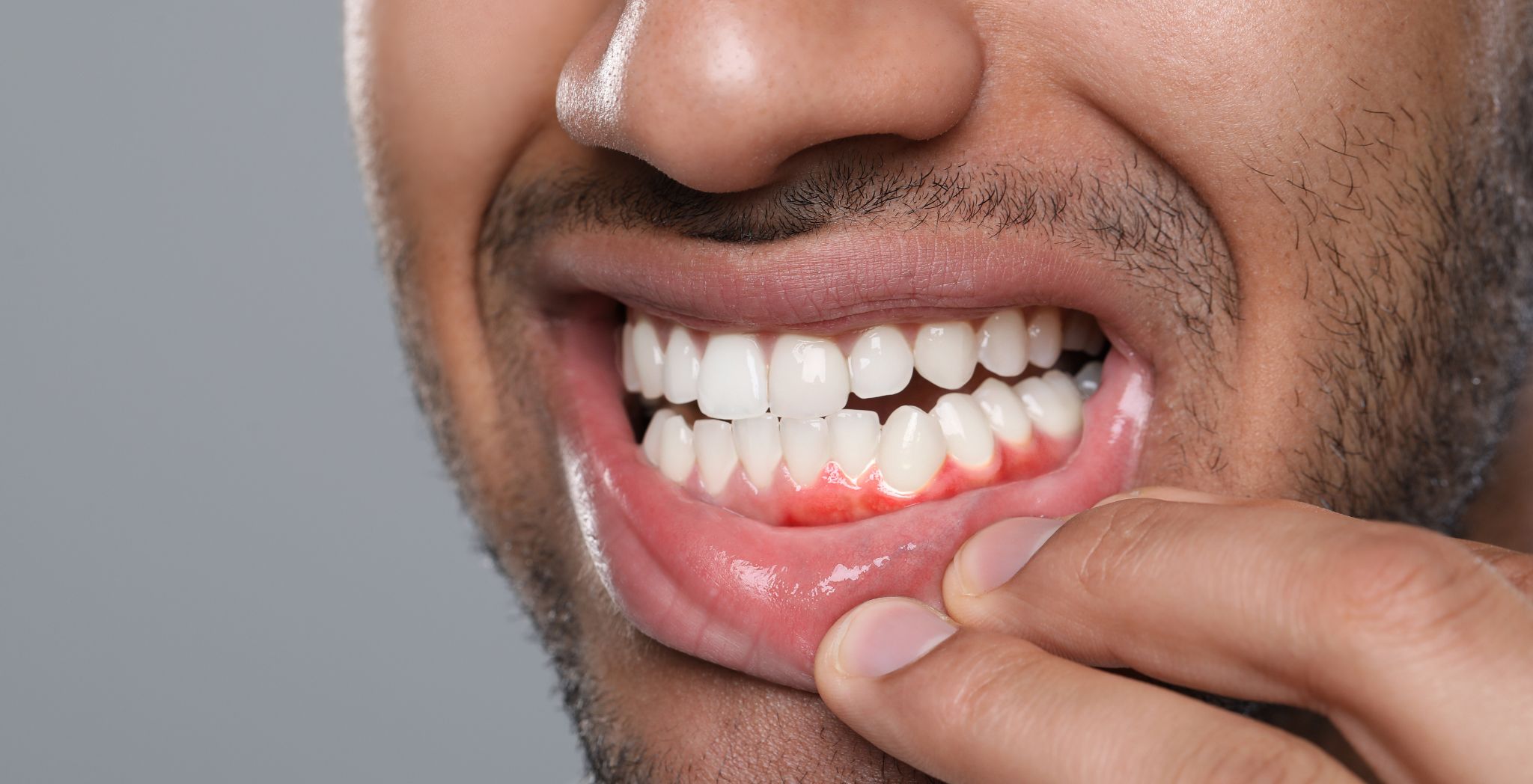
Bleeding gums usually occur when the soft tissue around your teeth becomes irritated or inflamed. You may notice:
- A slight pink colour in saliva after brushing
- Small streaks of blood on your toothbrush or floss
- Mild tenderness along the gumline
While occasional bleeding may sometimes happen, gums that bleed repeatedly could suggest that something deeper may be affecting gum health
Is It Normal for Gums to Bleed?
Occasional bleeding may sometimes occur if you:
- Have recently started flossing
- Have changed your toothbrush
- Brush with excessive force
- Have temporary gum irritation
However, healthy gums generally don’t bleed often. If bleeding continues, it’s worth discussing with a dentist.
Common Causes of Bleeding Gums
Bleeding gums can have a few different causes, and it’s not always possible to know the exact reason without an exam. Some possibilities include:
- Plaque and Tartar Build-Up
Plaque is a sticky film that can build up around teeth, and tartar may form when plaque isn’t removed. Over time, this could irritate the gumline and potentially lead to bleeding. - Gingivitis
Gingivitis is inflammation of the gums. It might cause tenderness, swelling, and bleeding, sometimes especially around brushing or flossing. With the right home care and professional support, gingivitis could potentially improve. - Periodontitis
If inflammation continues, it could progress to periodontitis, where the supporting structures around teeth may be affected. This might lead to ongoing bleeding, deeper gum issues, and other concerns that may require timely dental treatment. - Brushing Too Hard
Brushing aggressively may damage soft gum tissue. You might still have the habit of brushing harder for cleanliness, but a gentler technique could potentially reduce irritation and help gums calm down. - Smoking
Smoking can sometimes make gum problems worse by affecting gum health and healing. If you smoke, bleeding gums could potentially be more persistent. - Certain Health Conditions
Some medical conditions, along with medications, may affect gum health. Diabetes, for example, could sometimes be linked with gum inflammation, and hormonal changes during pregnancy might also play a role.
Early Signs of Gum Disease
Bleeding gums are only one possible sign. You may also notice:
- Gums that look puffy or swollen
- Redness that doesn’t settle easily
- Tenderness when brushing or flossing
- Bad breath that keeps returning
- Gums that seem to be receding slightly
- Changes in how your teeth feel when biting
These signs do not necessarily confirm gum disease, but they may indicate that a dental examination could be beneficial.
How Are Bleeding Gums Treated?
Treatment recommendations generally depend on the underlying cause and severity of the condition.
A dentist may recommend:
- Professional dental cleaning
- Scaling and root surface debridement where appropriate
- Improved home oral hygiene practices
- Regular monitoring of gum health
- Personalised maintenance programs
Because every patient is different, treatment outcomes and timelines may vary.
Can Bleeding Gums Be Prevented?
Bleeding gums cannot always be prevented, but good daily oral care may help keep your gums healthy and lower the risk of gum problems.
Simple habits that may help include:
- Brush your teeth twice a day with a soft-bristle toothbrush
- Clean between your teeth every day with floss or interdental brushes
- Visit your dentist for regular check-ups and professional cleans
- Eat a healthy, balanced diet
- If you smoke, consider quitting, as smoking may affect your gum health and make it harder for your gums to heal
Improvements could become noticeable as gums settle, but the timeline may differ depending on the underlying cause
When Should You See a Dentist?
Consider arranging a dental assessment if your gums:
- Continue bleeding for more than a short period
- Bleed regularly despite good oral hygiene
- Feel swollen or tender
- Are accompanied by persistent, bad breath
- Show signs of recession
- Are associated with changes in tooth comfort or position
Seeking advice early may help identify potential concerns before they become more complex.
Looking for Advice About Bleeding Gums?
If you’ve noticed bleeding when brushing or flossing, a dental assessment may help clarify what could be contributing and whether any supportive care or changes to your routine might be beneficial.
At Aspendale Gardens Dental Care, a dentist may carefully assess your gum health, explain what they observe, and discuss possible next steps tailored to your needs.
1. Why do my gums bleed when I floss?
Your gums may bleed if you’ve recently started flossing, have plaque build-up, or have irritated gums. If it keeps happening, a dental check-up may be helpful.
2. Can bleeding gums heal naturally?
Sometimes they may improve with good oral hygiene if the cause is mild. However, some causes could require dental treatment.
3. Are bleeding gums a sign of gum disease?
They could be. Bleeding gums may sometimes be an early sign of gum disease, but they can also have other causes.
4. How long might gingivitis take to improve?
It varies. Some people may notice improvement within a few weeks, while others could take longer depending on the cause.
5. Should I stop brushing if my gums bleed?
No. Gentle brushing with a soft toothbrush may help keep your gums healthy. If bleeding continues, it may be worth seeing a dentist.