Tooth pain when biting down can occur for a range of reasons. In some cases, it may be related to minor irritation, while in others it could indicate an underlying dental condition that may benefit from professional assessment.
In this blog, we outline possible causes of tooth pain when biting, how a dentist may assess the concern, and the types of treatment options that may be considered depending on the underlying cause.
What does it mean if your tooth hurts when you bite down?
Pain on biting often suggests that there may be inflammation, structural damage, or infection affecting the tooth or its supporting tissues. In some cases, the pain is triggered only during chewing, which can make diagnosis more complex without clinical examination.
Common Causes of Tooth Pain When Biting
There is rarely a single reason for dental discomfort. A clinical examination frequently reveals one or more of the following underlying factors:
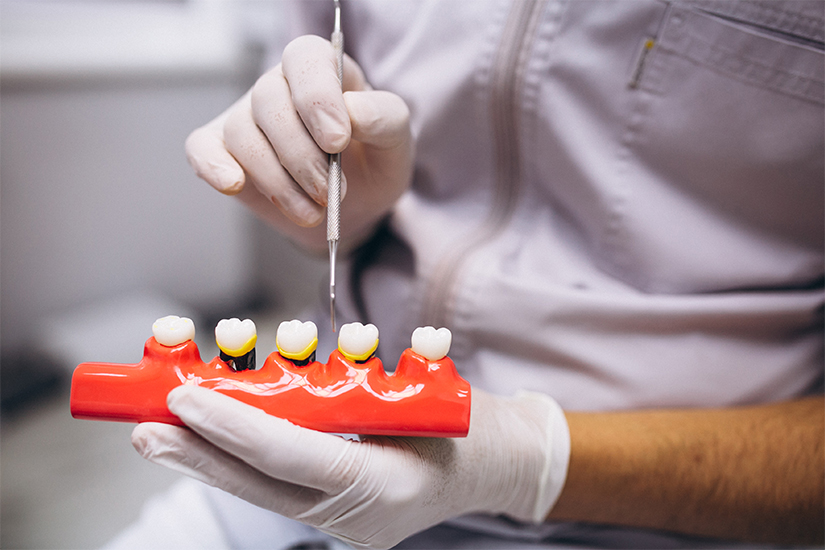
- Tooth Decay A cavity may weaken your tooth over time. If the decay reaches the inner part of the tooth, biting down could become uncomfortable.
- Cracked Tooth A small crack isn’t always easy to see, but it may cause pain when you bite or let go after biting. Without treatment, the crack could become larger.
- Dental Infection An infection inside the tooth or around the gums may cause pressure and pain when chewing. Some people might also notice swelling or a bad taste in the mouth.
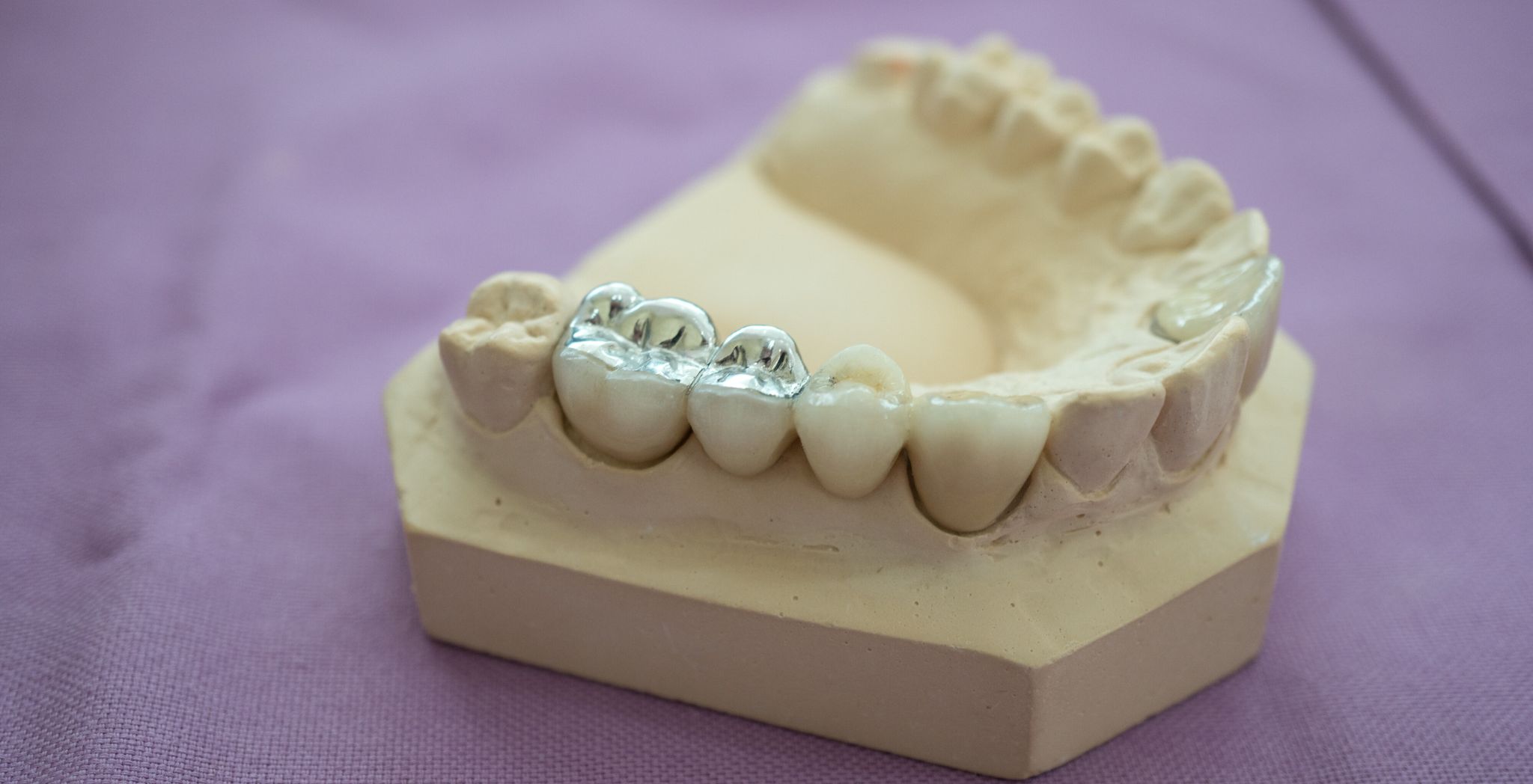
- Loose Filling or Crown Fillings and crowns can sometimes wear down or become loose. When this happens, your bite may not feel quite right, and the tooth could become sensitive.
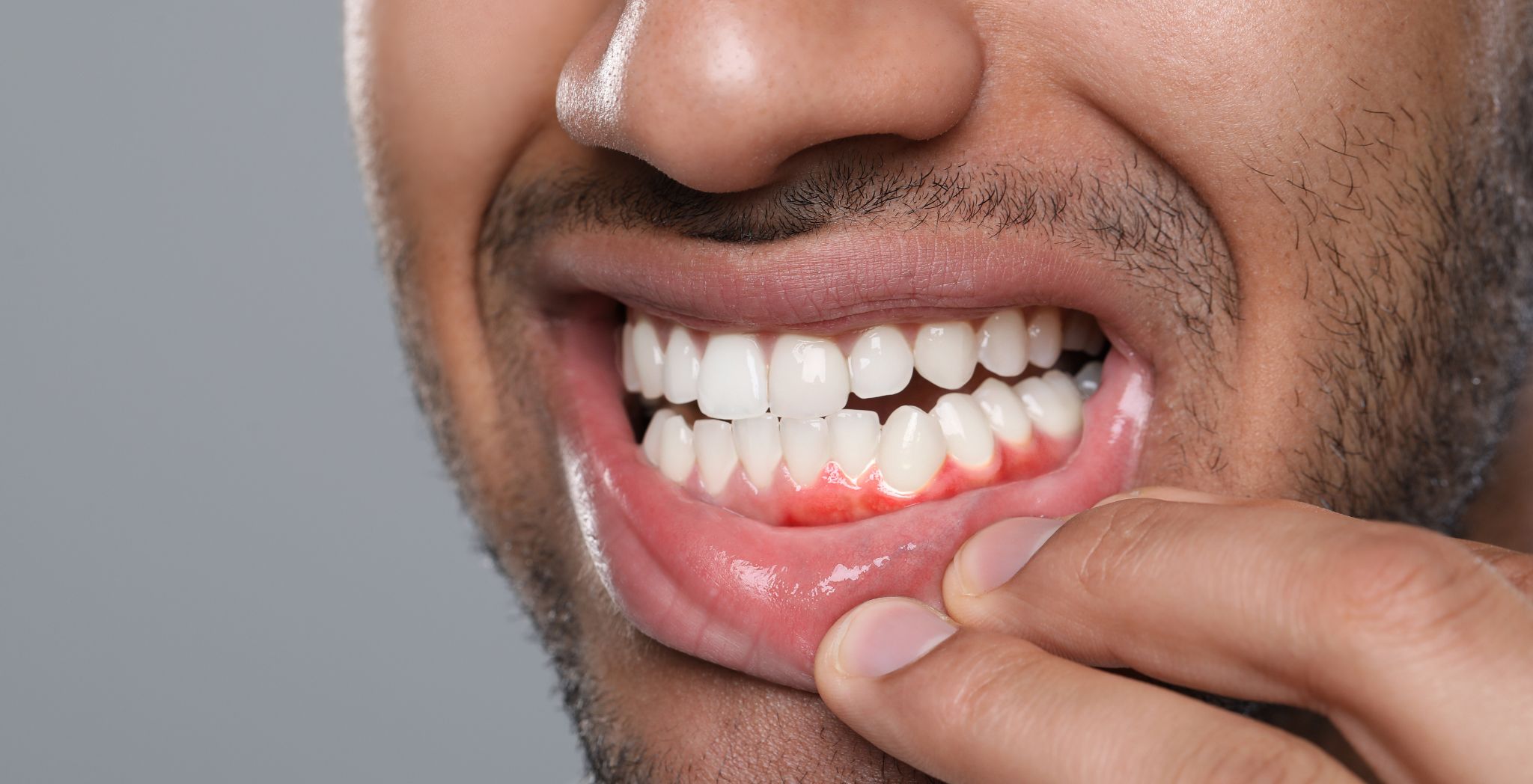
- Gum Disease Sore or inflamed gums may make a tooth feel tender when you chew. In some cases, the supporting tissues around the tooth could also be affected.
- Teeth Grinding If you clench or grind your teeth, especially while sleeping, extra pressure may be placed on your teeth. Over time, this could lead to soreness or tiny cracks.
- Wisdom Tooth Problems A wisdom tooth that doesn’t have enough space to come through properly may cause pain while eating. Food can also become trapped around the area, which may lead to irritation.
When Is Tooth Pain a Dental Emergency?
Not all tooth pain requires urgent care. However, prompt assessment may be worth considering if symptoms are accompanied by:
- Noticeable swelling
- Increasing discomfort
- Fever
- Difficulty swallowing
- Injury involving the teeth or mouth
These symptoms may sometimes be associated with conditions that require timely professional evaluation.
How Is Tooth Pain Diagnosed?
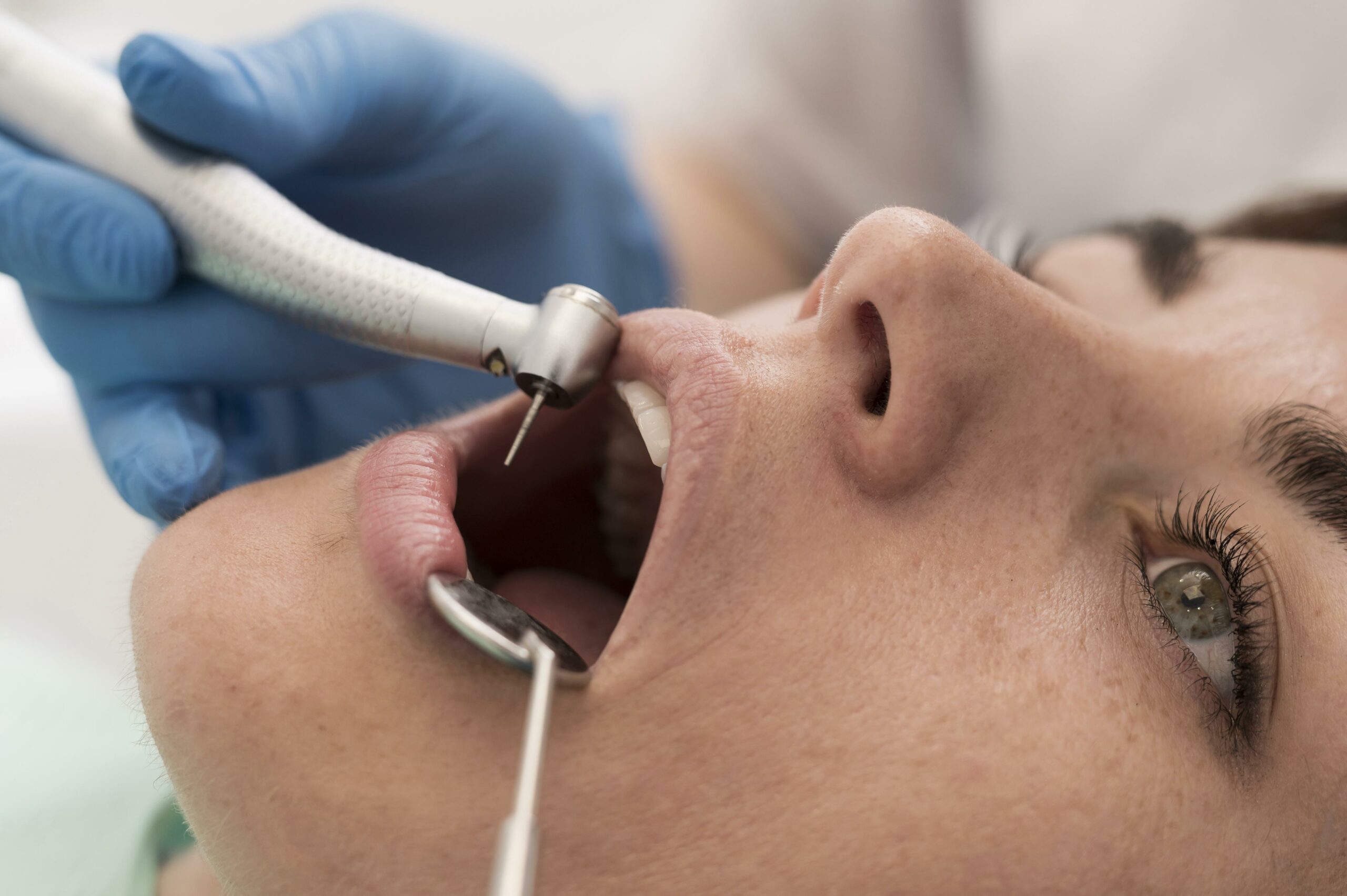
Because tooth pain can have several possible causes, diagnosis usually involves gathering information about your symptoms and performing a clinical examination.
A dentist may consider:
- Your dental history
- A visual examination
- Dental X-rays where clinically appropriate
- Bite assessment
- Examination of the surrounding gums and tissues
The purpose of these assessments is to better understand what may be contributing to your symptoms.
Treatment Options for Tooth Pain When Biting
Treatment recommendations, if needed, will depend on the cause of your tooth pain and the findings from your dental examination.
Possible treatment options may include:
- Monitoring the tooth if the symptoms are mild
- A dental filling to repair a cavity or minor damage
- Repairing or replacing a damaged filling, crown, or other restoration
- Treating gum problems if they are contributing to the pain
- Treating an infection where appropriate
- Root canal treatment if the tooth nerve is affected
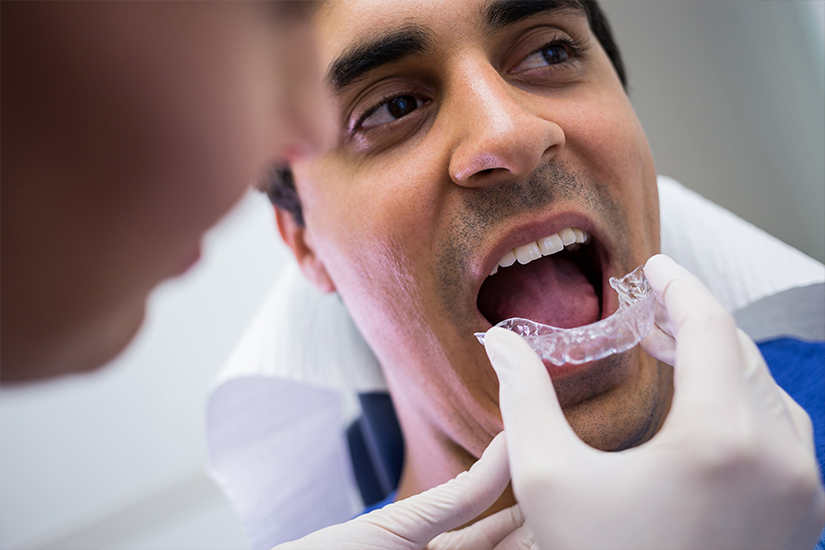
- A custom mouthguard if teeth grinding or clenching is causing discomfort
- Assessing wisdom teeth to determine if they are suspected to be the source of the pain
Not every patient will require treatment, and recommendations may vary significantly from person to person.
Can tooth pain go away on its own?
Mild discomfort may occasionally settle if it is related to temporary irritation. However, pain that persists, returns regularly, or becomes more severe could indicate an underlying dental condition that may not improve without appropriate care.
When Should You See a Dentist?
You may wish to arrange a dental examination if:
- Pain continues for several days
- Symptoms repeatedly return
- Chewing becomes uncomfortable
- You notice swelling or increased sensitivity
- You are concerned about changes in your oral health
A clinical assessment may help clarify what is happening and whether any management is appropriate.
Experiencing Tooth Pain When Biting?
If biting down has become uncomfortable, the team at Aspendale Gardens Dental Care may be able to assess your symptoms, identify potential causes, and discuss appropriate treatment options based on your individual needs.
Booking an examination could be the first step toward understanding what may be causing the discomfort and how it might be managed.
1. Why does my tooth hurt when I chew?
Tooth pain when chewing may be caused by a cavity, a cracked tooth, a damaged filling or crown, gum problems, or teeth grinding. A dental check-up may help find the cause.
2. Can a cracked tooth heal itself?
No. A cracked tooth does not usually heal on its own. Some small cracks may not need treatment straight away, but they should still be checked by a dentist.
3. Does a toothache always mean I need a root canal?
No. A toothache may have many causes, and not all of them require a root canal. Your dentist will recommend treatment based on what is causing the pain.
4. Why does my tooth hurt if there is no cavity?
5. Is tooth pain when biting serious?
It could be. While some causes are minor, others may need prompt dental care. If the pain continues, becomes worse, or is accompanied by swelling, a dental examination is recommended.