Have you ever noticed a clicking or popping sound when you open your mouth, chew or yawn? It can be unsettling, especially if it happens regularly. Sometimes the sound occurs without any discomfort. In other cases, it may come with jaw pain, stiffness or difficulty opening your mouth fully.
Jaw clicking can happen for different reasons, often involving the temporomandibular joint (TMJ) or the muscles around it. An occasional click may not be anything to worry about, but if you notice changes in how your jaw moves or experience ongoing discomfort, it is worth having a dentist check it.
What Causes Jaw Clicking?
Situated just in front of each ear, the temporomandibular joints (TMJs) link your lower jaw to your skull. They work together to let your jaw move smoothly when you talk, eat or open your mouth.
Clicking may occur when the joint or surrounding muscles don’t move smoothly. Some possible contributing factors include:
Temporomandibular Joint (TMJ) Disorders
Temporomandibular disorders (TMD) involve conditions that affect the jaw joints and the muscles that move them. Depending on the cause, you may experience jaw clicking, soreness, stiffness or difficulty moving your mouth freely.
Not everyone with a clicking jaw has TMD. Other symptoms help determine whether you need further assessment.
Teeth Grinding and Clenching
Frequent teeth grinding or clenching can put extra pressure on the jaw muscles and joints. It may happen while you’re asleep without you knowing, or during the day when you’re concentrating, feeling tense or dealing with stress.
Over time, this may contribute to jaw tenderness, headaches and discomfort when chewing.
Jaw Muscle Tension
The muscles around your jaw can also become strained from repeated use or tension. Stress, ongoing teeth clenching and habits such as chewing gum frequently may contribute to muscle soreness and changes in how your jaw moves.
Changes in the Jaw Joint Disc
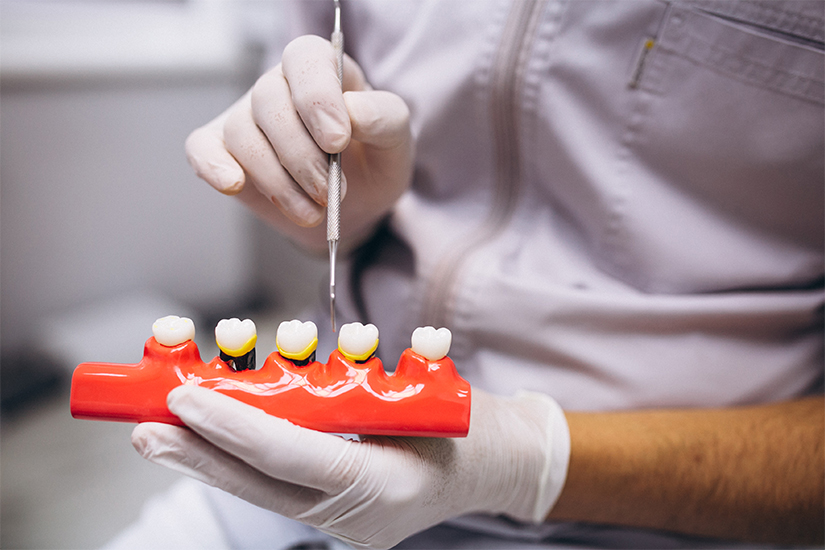
Each temporomandibular joint contains a small cartilage disc between the bones. This disc helps the joint move smoothly as you open and close your mouth.
If the disc changes position or movement, you may hear a click as you open or close your mouth. However, the sound alone cannot confirm that the disc is displaced.
Previous Jaw Injury
A face or jaw injury may affect the joint, surrounding muscles, or supporting structures. If clicking begins after an accident or impact, particularly alongside pain or restricted movement, it should be assessed.
Excessive Jaw Movement
Frequently opening your mouth very wide, biting into large foods, or repeatedly stretching your jaw can strain the joint. This may aggravate existing symptoms in some people.
Why Does My Jaw Click When Chewing or Yawning?
Chewing and yawning involve repeated movement of the temporomandibular joints. If the joint disc, surrounding muscles, or other structures don’t move smoothly, you may hear a clicking sound.
You might notice it more when eating chewy foods, taking large bites or opening your mouth widely. If the clicking is accompanied by pain, locking or difficulty moving your jaw, arrange an assessment.
Is Jaw Clicking Normal or a Sign of a Dental Problem?
An occasional click without pain or restricted movement is common and does not necessarily indicate a dental problem. Many people experience jaw noises without needing treatment.
However, clicking that is painful, becoming more frequent or associated with limited movement may indicate an underlying issue. A dental or medical assessment can help determine whether the symptoms relate to the jaw joint, muscles, or another condition.
What Other Symptoms Can Occur Alongside Jaw Clicking?
Depending on the cause, you may also experience:
- Jaw Pain or Tenderness: The joint or surrounding muscles may feel sore, particularly after chewing or waking up.
- Difficulty Opening or Closing the Mouth: You may find it uncomfortable to open your mouth fully or notice restricted movement.
- Headaches or Facial Discomfort: Jaw muscle tension can cause discomfort around the temples, cheeks, or sides of the head.
- Ear Pain or Pressure: Because the jaw joint is close to the ear, problems in this area can sometimes cause pain or a sensation of pressure near the ear.
- Jaw Locking: In some cases, the jaw may temporarily become stuck in an open or closed position. This needs prompt assessment, particularly if you cannot move your jaw normally.
Can Teeth Grinding Cause Jaw Clicking?
It can contribute to jaw discomfort and may be associated with clicking, especially when grinding or clenching repeatedly strains the joint and muscles.
However, grinding is not the only possible cause. Your dentist may look for signs such as worn teeth, muscle tenderness and changes in jaw movement when assessing your symptoms.
How Is the Cause of Jaw Clicking Diagnosed?
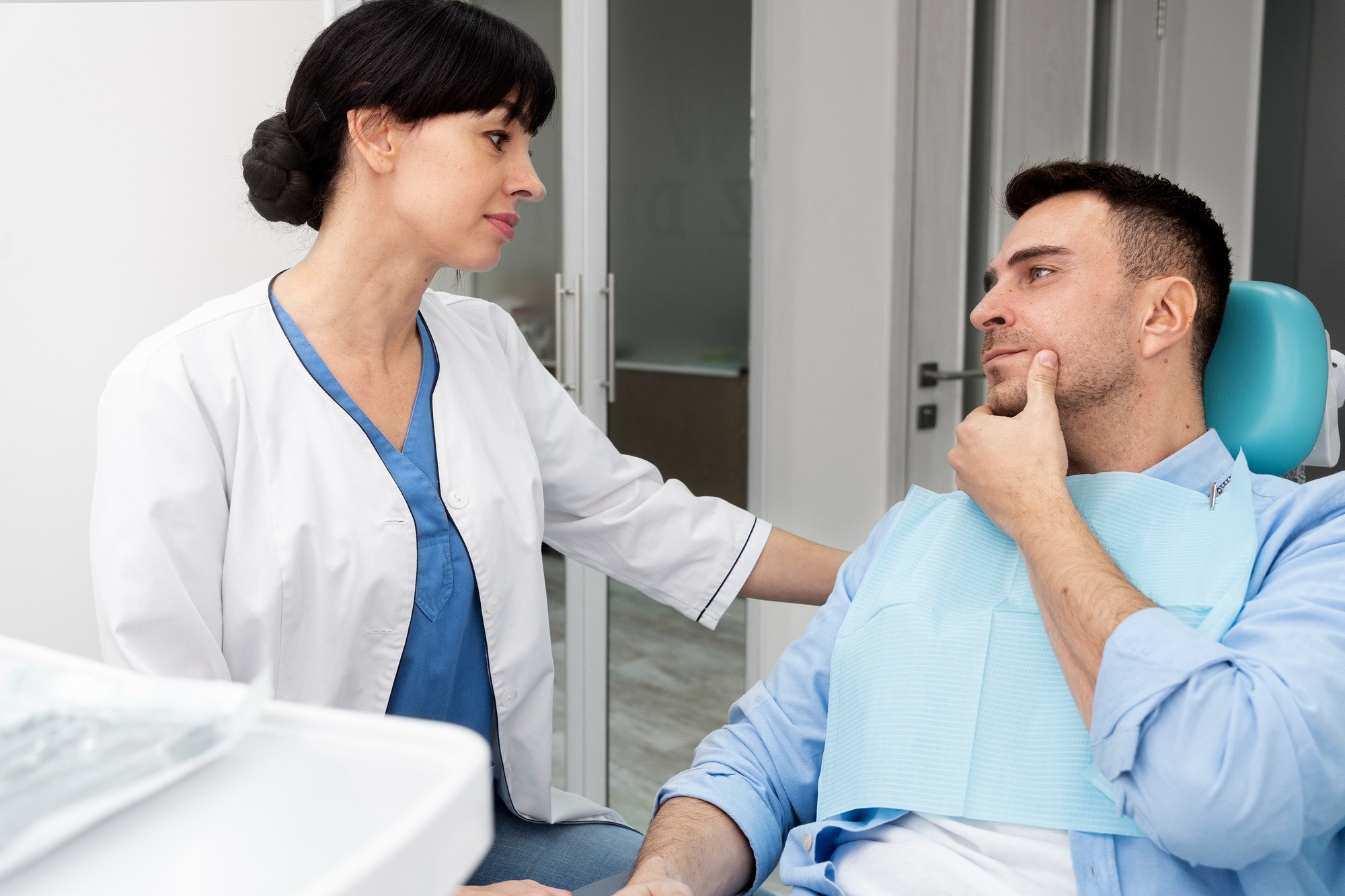
Your dentist will ask when the clicking started, how often it occurs and whether you experience pain, headaches or difficulty moving your jaw.
They may examine your jaw movement, listen for joint sounds, check for tenderness and look for signs of teeth grinding. Dentists may recommend dental imaging in selected cases, depending on your symptoms and examination findings.
What Treatment Options May Help with Jaw Clicking?
The right approach depends on what’s causing the clicking and whether you also have pain or difficulty moving your jaw. If the symptoms are mild, your dentist may suggest starting with simpler, non-invasive ways to manage them.
Managing Teeth Clenching and Grinding
If clenching or grinding is contributing to your symptoms, your dentist may discuss ways to reduce these habits and protect your teeth.
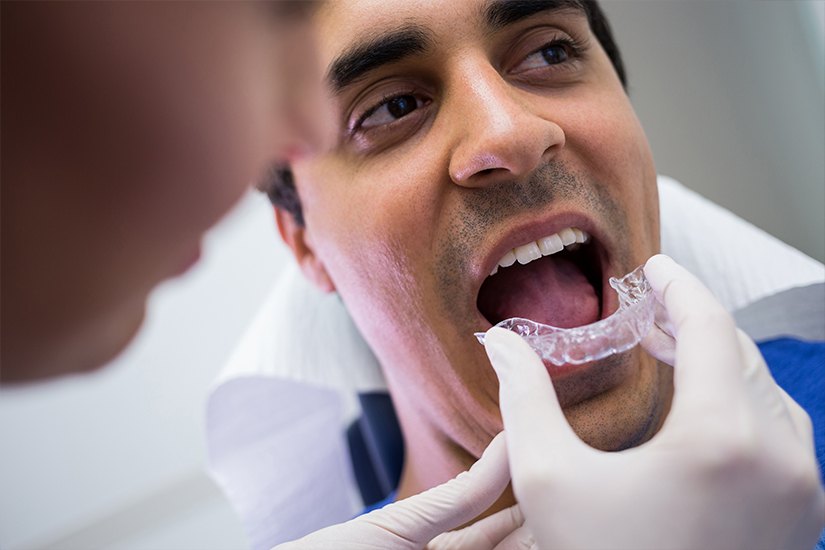
Custom Nightguards or Splints
A custom-made nightguard or splint may be considered for people who grind their teeth while sleeping. It can help protect the teeth and may reduce some symptoms, although it does not address every cause of jaw clicking.
Jaw Relaxation and Movement Exercises
Gentle exercises or physiotherapy may help improve jaw movement and reduce muscle tension in selected cases. Follow guidance from a qualified professional rather than attempting forceful stretches yourself.
Managing Factors That Strain the Jaw
Reducing habits such as chewing gum, biting hard objects or opening the mouth excessively may help limit strain on the joint.
What Can You Do at Home to Reduce Jaw Discomfort?
If your jaw feels sore, some simple changes may help:
- Choose softer foods temporarily.
- Avoid chewing gum and very chewy foods.
- Take smaller bites and avoid opening your mouth too wide.
- Apply a warm or cold compress to your jaw and see which feels more comfortable.
- Be mindful of clenching during the day.
- Allow your jaw to rest between meals.
- Avoid repeatedly making your jaw click to test the movement.
If symptoms continue or worsen, arrange a professional assessment.
When Should You See a Dentist for Jaw Clicking?
Consider booking an appointment if you notice:
- Clicking accompanied by jaw pain or tenderness.
- Increasing difficulty opening or closing your mouth.
- Repeated episodes of jaw locking.
- Headaches or facial discomfort alongside jaw symptoms.
- Pain when chewing or speaking.
- A recent jaw injury followed by clicking or restricted movement.
- Symptoms that persist or interfere with everyday activities.
Seek urgent medical or dental assessment if your jaw becomes stuck and you cannot open or close your mouth normally, or if you have significant difficulty eating or drinking.
If your jaw clicking is accompanied by discomfort or changes in movement, the team at Aspendale Gardens Dental Care can assess your symptoms and discuss whether further investigation or management may be appropriate.
Why does my jaw click but not hurt?
A painless clicking sound is common and may simply relate to how the joint moves. If there are no other symptoms, it may not require treatment, but you should monitor any changes.
Should I be worried if my jaw clicks every time I open my mouth?
Not necessarily. Frequent clicking without pain or restricted movement is not always a sign of a problem. If it changes or is accompanied by other symptoms, arrange an assessment.
Can stress cause jaw clicking?
Stress may contribute to jaw tension and habits such as clenching or grinding. These can place additional strain on the jaw muscles and joints.
Can teeth grinding cause jaw pain and clicking?
Yes, grinding can contribute to muscle and joint strain, which may cause jaw discomfort and clicking. Other causes are also possible.