Dental implants are designed to replace missing teeth, but the process involves more than simply placing an implant and attaching a crown. Treatment takes place over several stages, with healing time playing an important role in the overall timeline.
For some patients, the process may take a few months. Others may need longer, particularly if bone grafting or additional dental treatment is required. Understanding each stage can help you know what to expect and why your dentist may recommend allowing time between appointments.
How Long Does Dental Implant Treatment Take?
Dental implant treatment commonly takes several months from the initial consultation to the placement of the final crown. The exact duration depends on your oral health, jawbone condition, number of implants required and how your body heals.
While some patients may be suitable for a more immediate restoration, this approach is not appropriate for every case. Your dentist will assess your circumstances before recommending a treatment schedule.
What Are the Different Stages of Dental Implant Treatment?
Dental implant treatment generally involves the following stages.
Initial Dental Consultation and Assessment
The first step is an assessment of your teeth, gums and overall oral health. Your dentist will discuss your dental history, any missing teeth and what you would like to achieve through treatment.
They may also check for gum disease, tooth decay or other concerns that need attention before implant placement can be considered.
Dental Imaging and Treatment Planning
Dental imaging helps assess the jawbone and the area where the implant may be placed. Depending on your needs, your dentist may recommend X-rays or a 3D scan.
This information helps with planning the implant’s position and determining whether there is enough bone to support it. It also helps identify whether additional procedures may be needed.
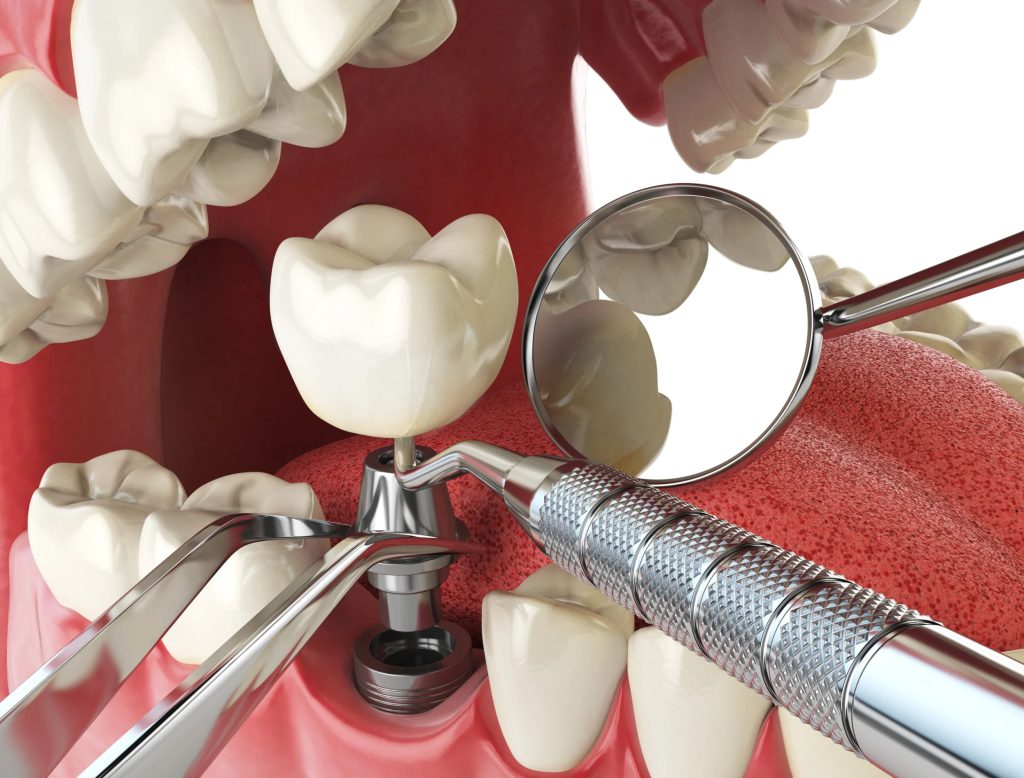
Dental Implant Placement
During this stage, the implant is placed into the jawbone. The procedure is generally performed using local anaesthetic, with sedation options discussed where appropriate.
The gum tissue is then managed according to the treatment plan, and the surgical site is allowed to begin healing.
Healing and Osseointegration
After placement, the implant needs time to integrate with the surrounding jawbone. This process is called osseointegration.
New bone gradually forms around the implant, helping to hold it in position. This stage often takes several months, although the duration varies depending on bone quality, the location of the implant and individual healing.
Placement of the Final Dental Crown
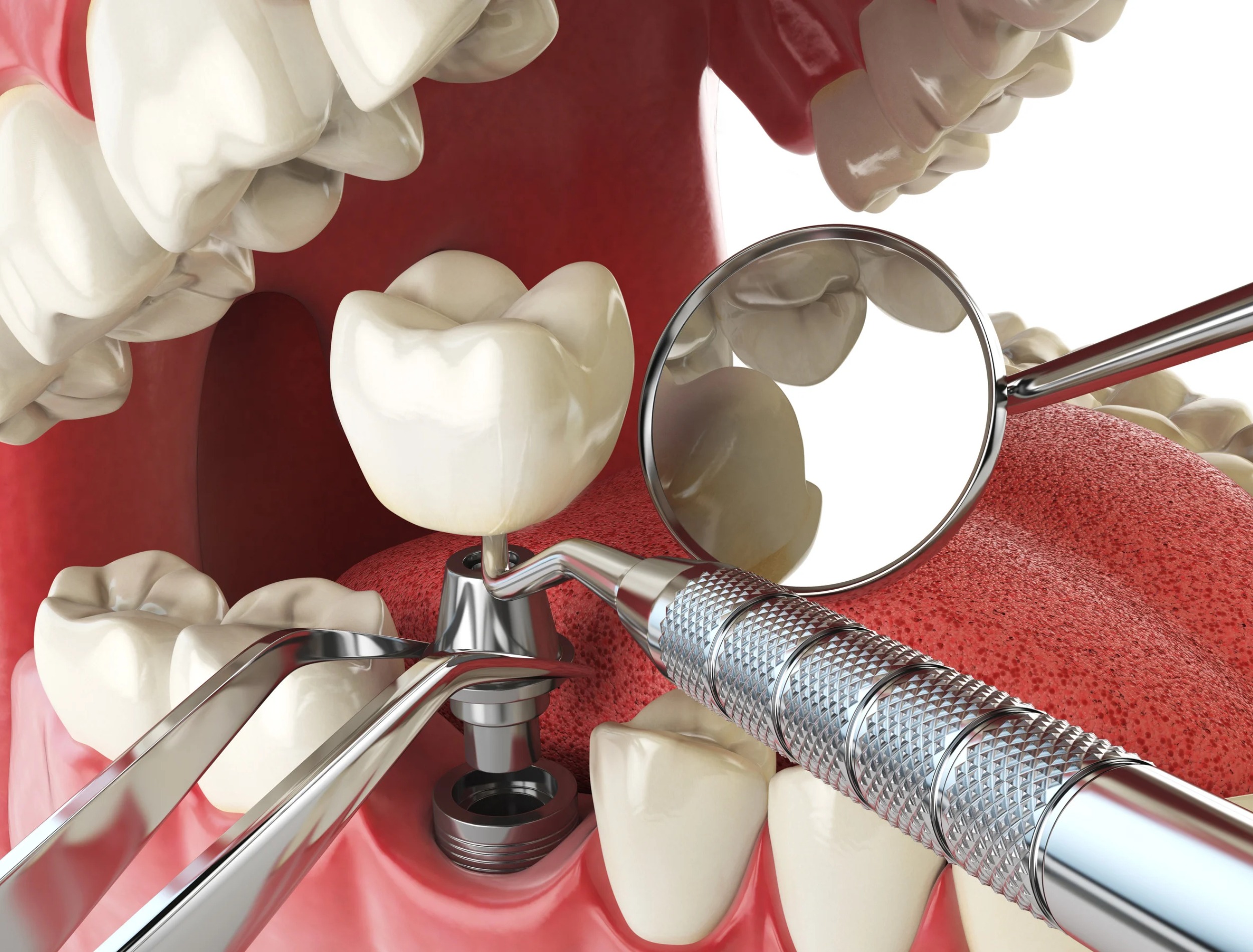
Once the implant has integrated sufficiently, the final restoration can be fitted. This is commonly a dental crown for a single missing tooth, although implants can also support bridges or dentures.
The dentist checks the fit, bite and appearance of the restoration before completing this stage.
What Factors Can Affect Dental Implant Treatment Time?
Several factors can influence how long treatment takes.
Jawbone Health and Bone Density
The implant needs adequate bone support. If the jawbone has reduced in volume or density, additional treatment may be required before placement.
Number of Implants Required
Replacing one tooth may involve fewer appointments than replacing several teeth. Multiple implants may also require more detailed planning and coordination.
Whether Bone Grafting Is Needed
If there is insufficient bone to support an implant, bone grafting may be recommended. This adds another stage to treatment, as the graft needs time to heal before implant placement or further treatment can proceed.
Individual Healing and Recovery
Healing varies from person to person. General health, smoking, certain medications and existing medical conditions may influence recovery and treatment planning.
How Long Does It Take for a Dental Implant to Heal?
Initial recovery after implant surgery may take days to a couple of weeks, although the deeper healing process takes longer.
Osseointegration commonly takes around three months, but some cases require additional time. Your dentist will review the healing progress before deciding when the final crown can be fitted.
Can You Get a Dental Implant and Crown on the Same Day?
In selected cases, an implant and temporary crown may be placed during the same appointment. This is sometimes called immediate loading.
However, it is not suitable for everyone. Factors such as bone quality, implant stability, bite forces and the location of the missing tooth need to be considered. Even when a temporary crown is fitted immediately, the implant still needs time to integrate with the bone.
What Happens If You Need Bone Grafting Before Dental Implants?
Bone grafting may be recommended when there is not enough bone to support an implant securely. The procedure involves adding bone material to the area to help rebuild the required volume.
The graft needs time to heal and integrate before the next stage can take place. This can extend the overall treatment timeline, depending on the amount of grafting required and the individual’s healing response.
How Can You Care for Your Dental Implant During Recovery?
Following your dentist’s post-operative instructions is important. You may be advised to:
- Choose soft foods during the initial healing period.
- Avoid chewing directly on the surgical site.
- Keep the mouth clean while following instructions for brushing around the area.
- Avoid smoking, as it can interfere with healing.
- Attend recommended follow-up appointments.
Contact your dentist if you notice increasing pain, swelling, bleeding or other concerns.
When Can You Return to Normal Eating After Dental Implant Surgery?
You may need to stick to soft foods initially and gradually return to your usual diet as healing progresses. The timing depends on the procedure and whether a temporary restoration has been placed.
Avoid putting unnecessary pressure on the implant site until your dentist confirms that it is appropriate to do so.
If you are considering dental implants, the team at Aspendale Gardens Dental Care can assess your oral health and discuss the stages, expected timeline and options that may be suitable for you.