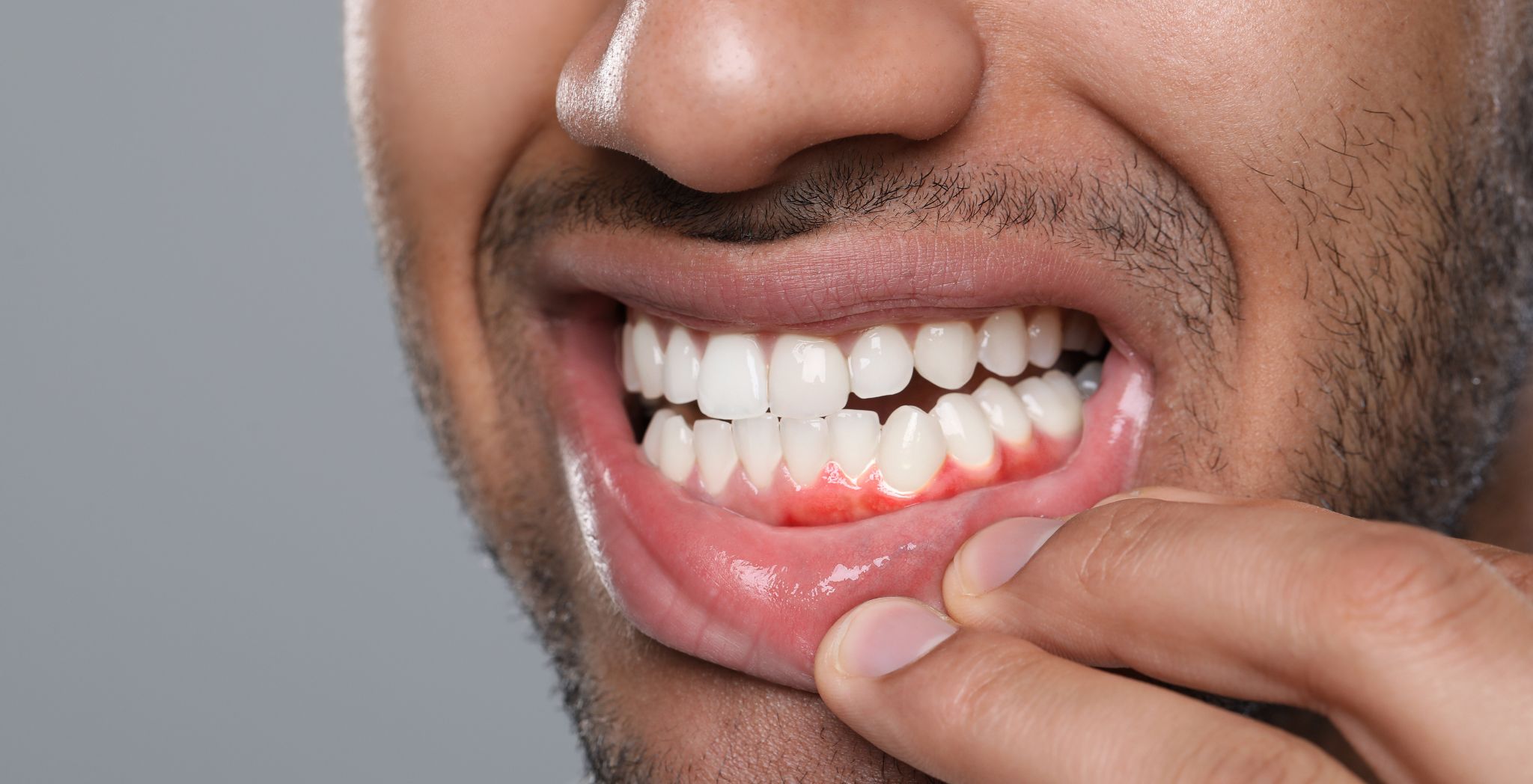
You’ve had a root canal; the discomfort has settled, and you’ve got on with life. Then one day, you bite into something and feel a piece of the tooth break away. It’s understandably concerning, especially when you thought the treatment had dealt with the problem.
A tooth can still crack or break after root canal treatment. The good news is that extraction isn’t automatically the next step. What happens next depends on where the tooth has fractured, how much healthy structure remains, and whether the root is affected.
What Happens If a Tooth Breaks After a Root Canal?
Root canal treatment removes damaged or infected pulp from inside the tooth, but it doesn’t make the remaining tooth immune to damage. If the tooth breaks, a dentist will need to assess the extent of the fracture before recommending treatment.
A small chip may be manageable with restoration, while a deeper crack could require more complex treatment. In some cases, the tooth may not be restorable.
Why Can a Root Canal Tooth Break or Crack?
Several factors can make a root canal-treated tooth more vulnerable to fracture.
· Weakened Tooth Structure
The tooth may have already lost a considerable amount of structure to decay, cracks, or previous dental work. Removing the pulp isn’t the only factor; the amount of healthy tooth remaining plays an important role.
· Extensive Tooth Damage
A tooth that was badly damaged before treatment may have less natural structure to withstand everyday chewing forces.
· Biting on Hard Foods
Ice, hard lollies, unpopped popcorn kernels and other hard foods can place considerable pressure on a vulnerable tooth.
· Teeth Grinding or Clenching
Repeated pressure from grinding or clenching can contribute to cracks, especially when a tooth is already weakened.
· Delayed Dental Restoration
After root canal treatment, a tooth may need a permanent filling, onlay or crown. Leaving a temporary restoration in place longer than advised can leave the tooth more exposed to damage.
Signs Your Root Canal-Treated Tooth May Be Damaged
The signs aren’t always obvious. You might notice:
- Pain when biting or chewing: Pressure may cause discomfort around the damaged tooth.
- A visible crack or broken tooth: A piece may have chipped off, or a line may appear across the tooth.
- Swelling around the tooth: This may indicate inflammation or infection that needs assessment.
- Tooth fragments in the mouth: You may feel a sharp edge or find a piece of tooth while eating.
- Gum tenderness: The surrounding gum may feel sore or irritated.
A root canal-treated tooth may not respond to temperature in the same way as a tooth with its pulp intact. The absence of sensitivity doesn’t rule out a fracture.
Can a Broken Tooth After a Root Canal Be Saved?
That depends on the fracture.
· Dental Crown
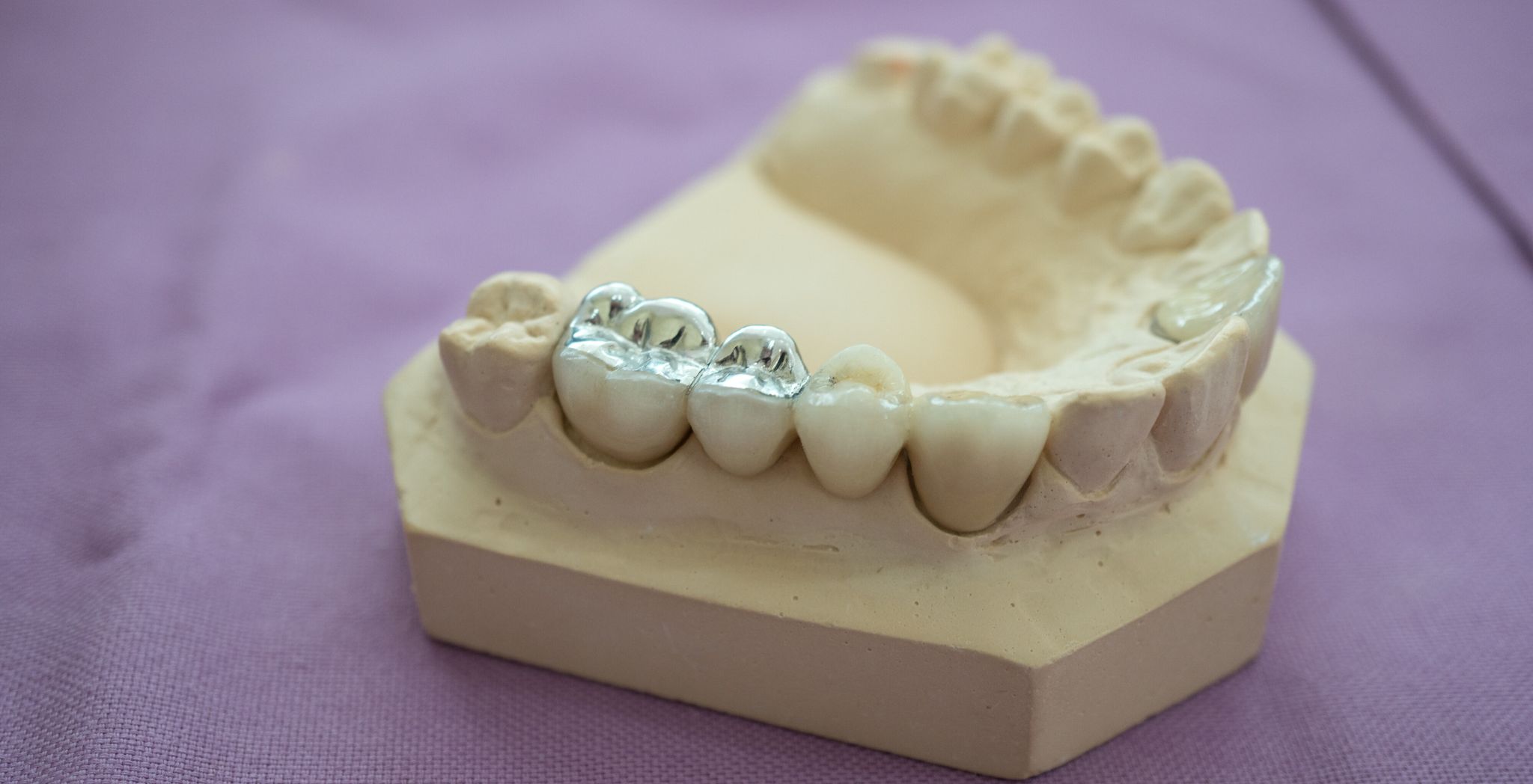
If enough healthy tooth structure remains, a crown may cover and protect the tooth. Whether it’s suitable depends on the fracture’s location and the amount of remaining tooth.
· Other Restorative Options
Smaller fractures may be repaired with bonding or a filling. An onlay may be considered when more coverage is needed without a full crown. Your dentist can explain which option is appropriate after examining the tooth.
When Tooth Extraction May Be Considered
If the fracture extends deep into the root or too little healthy structure remains to support a restoration, extraction may be considered. Replacement options can then be discussed, depending on your circumstances.
What Should You Do If Your Root Canal Tooth Breaks?
Stop chewing on that side and contact your dentist. If a fragment has come away, keep it and take it to your appointment. Rinse your mouth gently with water and avoid disturbing the damaged area.
What Should You Avoid Before Your Dental Appointment?
Avoid hard, crunchy or sticky foods, and don’t test the tooth by repeatedly biting down. Don’t attempt to glue a fragment back in place or use household adhesives.
How Is a Broken Root Canal Tooth Treated?
Your dentist will examine the tooth and may take X-rays to assess the surrounding structures. Depending on the fracture, treatment may involve smoothing or repairing a small chip, placing a restoration, further root canal treatment where indicated, or extraction if the tooth cannot be restored.
How Can You Reduce the Risk of Further Damage?
Follow your dentist’s advice about the final restoration and avoid putting excessive pressure on the tooth before it’s protected. Brush and floss regularly, attend recommended check-ups and discuss a night guard if you grind your teeth.
Is a Broken Root Canal Tooth a Dental Emergency?
A broken tooth should be assessed promptly, particularly if there’s significant pain, swelling, bleeding or a large piece missing. Facial swelling with difficulty breathing or swallowing requires emergency medical care.
Even if the tooth doesn’t hurt, arrange a dental assessment rather than continuing to chew on it. A crack can extend further under pressure.
Arrange an assessment as soon as you notice a break, crack or new discomfort. Swelling, severe pain or signs of infection warrant prompt attention.
Book a Dental Assessment at Aspendale Gardens Dental Care
If you have noticed a crack, chip or break in a tooth that has undergone root canal treatment, Aspendale Gardens Dental Care can assess the tooth and discuss suitable treatment options based on its condition. An examination may help determine the extent of the damage and whether further restorative treatment is appropriate.
Contact Aspendale Gardens Dental Care to arrange an appointment and discuss your concerns with the dental team.
Can a tooth break after a root canal?
Yes. A root canal-treated tooth can still fracture, especially if substantial tooth structure has been lost.
Why did my tooth break after a root canal?
Possible reasons include existing damage, a large restoration, grinding or biting on hard food. An examination can help identify the likely cause.
Can a broken root canal tooth be saved?
Sometimes. The location and depth of the fracture, along with the remaining healthy tooth structure, help determine whether restoration is possible.
Do I need a crown if my root canal tooth breaks?
Not always. A crown may be suitable for some fractures, while smaller chips may need a different restoration. Your dentist can assess the options.
Is a broken root canal tooth an emergency?
Significant pain, swelling or extensive damage needs prompt assessment. Seek emergency medical care if you have difficulty breathing or swallowing.
What should I do if my root canal tooth breaks?
Avoid chewing on it, keep any fragments and contact your dentist for an assessment. Don’t attempt to repair the tooth yourself.