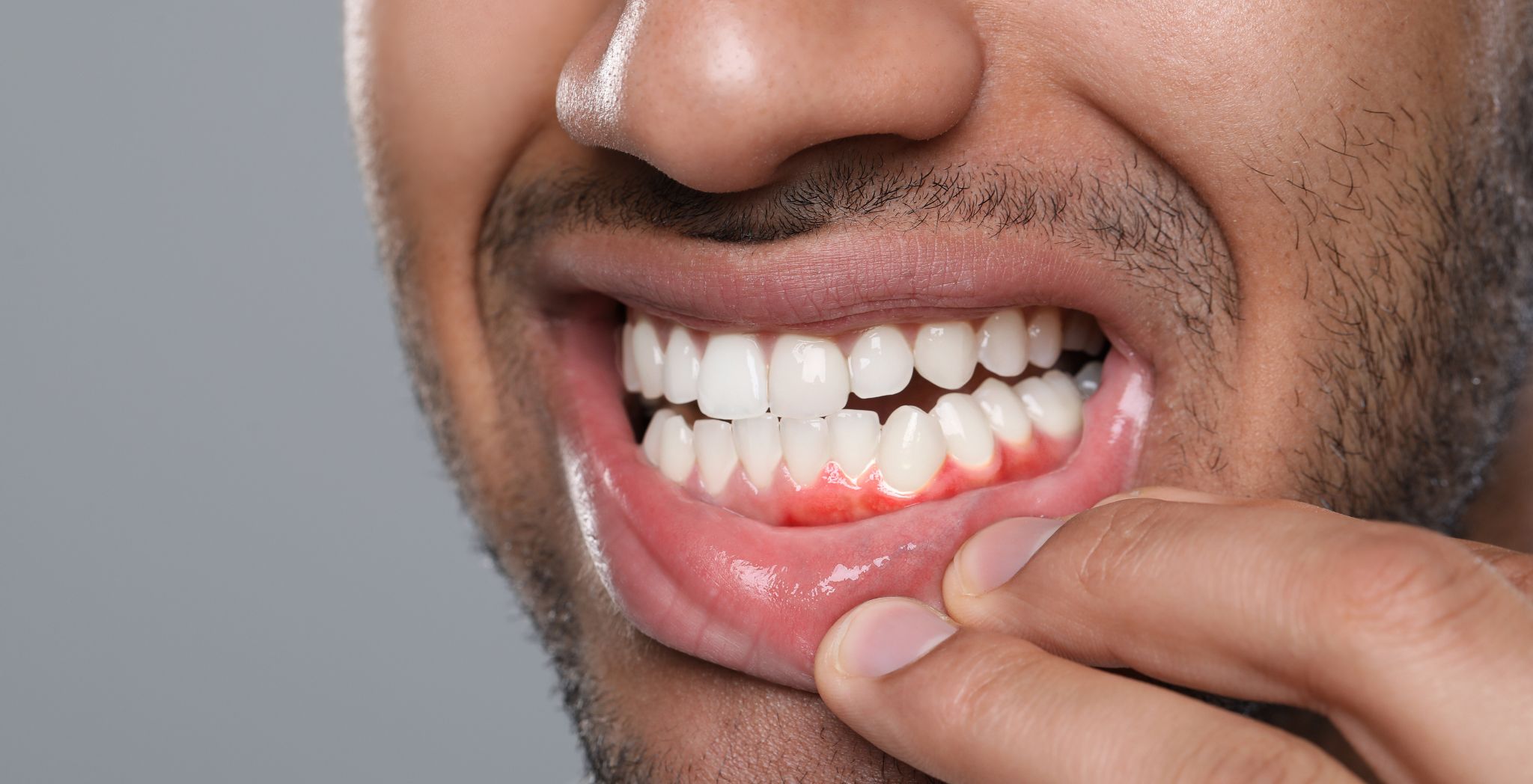
If you’ve been told you may need a wisdom tooth removed, one of the first things you’ll probably want to know is how much time to set aside. Is it a quick appointment? Will you need the rest of the day off? And how long before you can eat normally again?
The answers depend on the position of the tooth and how complicated the removal is. Here’s what you can generally expect, from the appointment itself to the days that follow.
How Long Does Wisdom Tooth Removal Take?
A straightforward wisdom tooth extraction may take only a short time, while a surgical removal can take longer, particularly if the tooth is impacted. The overall appointment may also include preparation, anaesthesia and post-procedure instructions.
An examination, along with any necessary X-rays, can help your dentist determine the likely complexity and duration of the extraction.
What Factors Affect Wisdom Tooth Removal Time?
· Position of the Wisdom Tooth
A wisdom tooth that has erupted fully and is easy to access may be simpler to remove than one sitting at an awkward angle.
· Impacted Wisdom Teeth
An impacted tooth is trapped partly or entirely beneath the gum or bone. Removing it may involve an incision and, in some cases, removing a small amount of bone.
· Number of Teeth Being Removed
Removing several wisdom teeth in one appointment can take longer than removing a single tooth. Your dentist will discuss whether treating them together is appropriate.
· Complexity of the Procedure
The shape of the roots, the tooth’s position and its relationship to nearby structures can all affect the procedure.
· Type of Anaesthesia or Sedation
Local anaesthesia numbs the area while you remain awake. Sedation or general anaesthesia may involve additional preparation and recovery time, along with specific instructions about eating, drinking and arranging transport.
What Happens During Wisdom Tooth Removal?
Before the procedure, your dentist will assess the tooth and explain the planned approach. Local anaesthesia is commonly used to numb the area.
For a straightforward extraction, the dentist loosens the tooth and removes it. Surgical removal may involve opening the gum and dividing the tooth into smaller pieces.
Afterwards, gauze may be placed over the extraction site to help control bleeding. You’ll receive instructions on eating, cleaning your mouth, and managing discomfort while the area heals.
How Long Does It Take to Recover from Wisdom Tooth Removal?
Recovery varies, especially after surgical extraction.
· The First 24 Hours
A little bleeding, swelling, and discomfort can occur. Rest, follow your dentist’s instructions and avoid disturbing the blood clot that forms in the socket.
· The First Few Days
Swelling and jaw stiffness may be more noticeable during the first few days before gradually improving. Soft foods and gentle oral hygiene can make this period easier.
· One to Two Weeks
Many people return to their usual activities within several days, although a more involved extraction may need longer recovery time. The gum can take a few weeks to heal fully, and deeper tissues take longer.
Does Wisdom Tooth Extraction Hurt?
Local anaesthesia is used to numb the area during the procedure, so you should not feel sharp pain while the tooth is being removed. You may feel pressure or movement.
Some soreness, swelling, and jaw stiffness afterwards are common. Your dentist can advise you on suitable pain relief and how to take it. Severe or worsening pain isn’t something to ignore.
What Can You Eat After Wisdom Tooth Removal?
® Foods to Choose
Choose meals that need minimal chewing while the area heals, such as soft-cooked vegetables, smooth soups that have cooled, yoghurt or porridge. Eat comfortable meals and stay hydrated.
® Foods and Drinks to Avoid
For the first few days, avoid hard, crunchy or sharp foods that could irritate the socket. Very hot foods and drinks may also be uncomfortable while the area is healing. Follow your dentist’s instructions about when to resume your usual diet.
What Should You Avoid After Wisdom Tooth Removal?
· Smoking
Avoid smoking while the socket heals, as it can interfere with healing and increase the risk of dry socket.
· Drinking Through a Straw
Suction can disturb the blood clot, so avoid straws during the initial healing period.
· Strenuous Exercise
Take it easy initially. Follow your dentist’s advice about when to return to strenuous exercise, particularly if the extraction was surgical.
· Disturbing the Extraction Site
Don’t poke the socket with your fingers or tongue. Follow your dentist’s instructions about rinsing, brushing, and cleaning the area.
What Are the Warning Signs After Wisdom Tooth Removal?
Some discomfort is expected, but certain symptoms need attention.
· Increasing or Severe Pain
Pain that becomes intense or worsens after initially settling should be assessed.
· Excessive Bleeding
Contact your dentist if bleeding doesn’t settle with the recommended pressure and aftercare measures.
· Increasing Swelling
Swelling that continues to worsen rather than gradually improve needs review.
· Fever or Signs of Infection
Contact your dentist if you develop a fever, pus or worsening symptoms.
· Possible Dry Socket
Dry socket can cause intense pain a few days after extraction, sometimes with an unpleasant taste or smell. Contact your dentist if you suspect it.
When Should You Contact Your Dentist After Wisdom Tooth Removal?
Follow the aftercare instructions provided at your appointment and contact your dentist if pain, swelling or bleeding is worsening, or if you develop signs of infection. Difficulty breathing or swallowing requires emergency medical care.
Wisdom Tooth Assessment at Aspendale Gardens Dental Care
If you’re experiencing discomfort around your wisdom teeth or have been advised to consider removal, Aspendale Gardens Dental Care can assess your teeth and discuss whether treatment may be appropriate. The recommended approach will depend on the position of your wisdom teeth, their condition, and your individual dental needs.
Contact Aspendale Gardens Dental Care to arrange an appointment and discuss your concerns with the dental team.
How long does wisdom tooth removal take?
A straightforward extraction may be relatively quick, while surgical removal can take longer. The time depends on the tooth’s position and complexity.
How long does wisdom tooth extraction take to heal?
Initial recovery often takes several days, but complete healing of the socket can take a few weeks or longer.
How many days should I rest after wisdom tooth removal?
You may need a day or two of rest after a straightforward extraction. More complex surgery may require additional time off.
What can I eat after wisdom tooth removal?
Choose soft foods such as yoghurt, mashed vegetables, scrambled eggs, and cooled soup. Avoid hard or crunchy foods while the area heals.
How long does wisdom tooth removal pain last?
Discomfort is often most noticeable during the first few days and should gradually improve. Increasing or severe pain needs dental assessment.
When can I return to work after wisdom tooth removal?
Some people return the next day after a straightforward extraction, while others need several days, particularly after surgery. Follow your dentist’s advice and consider how you feel.