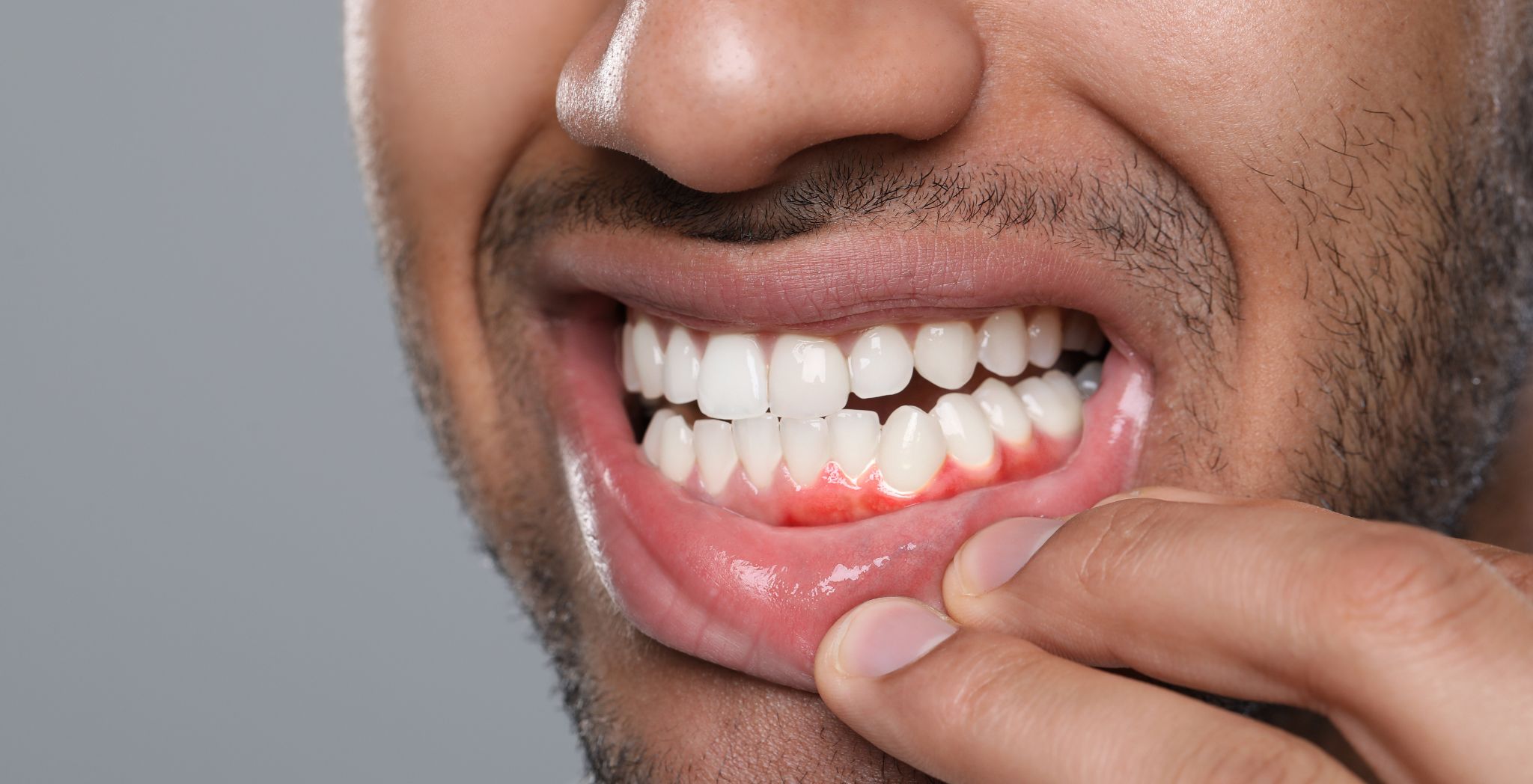
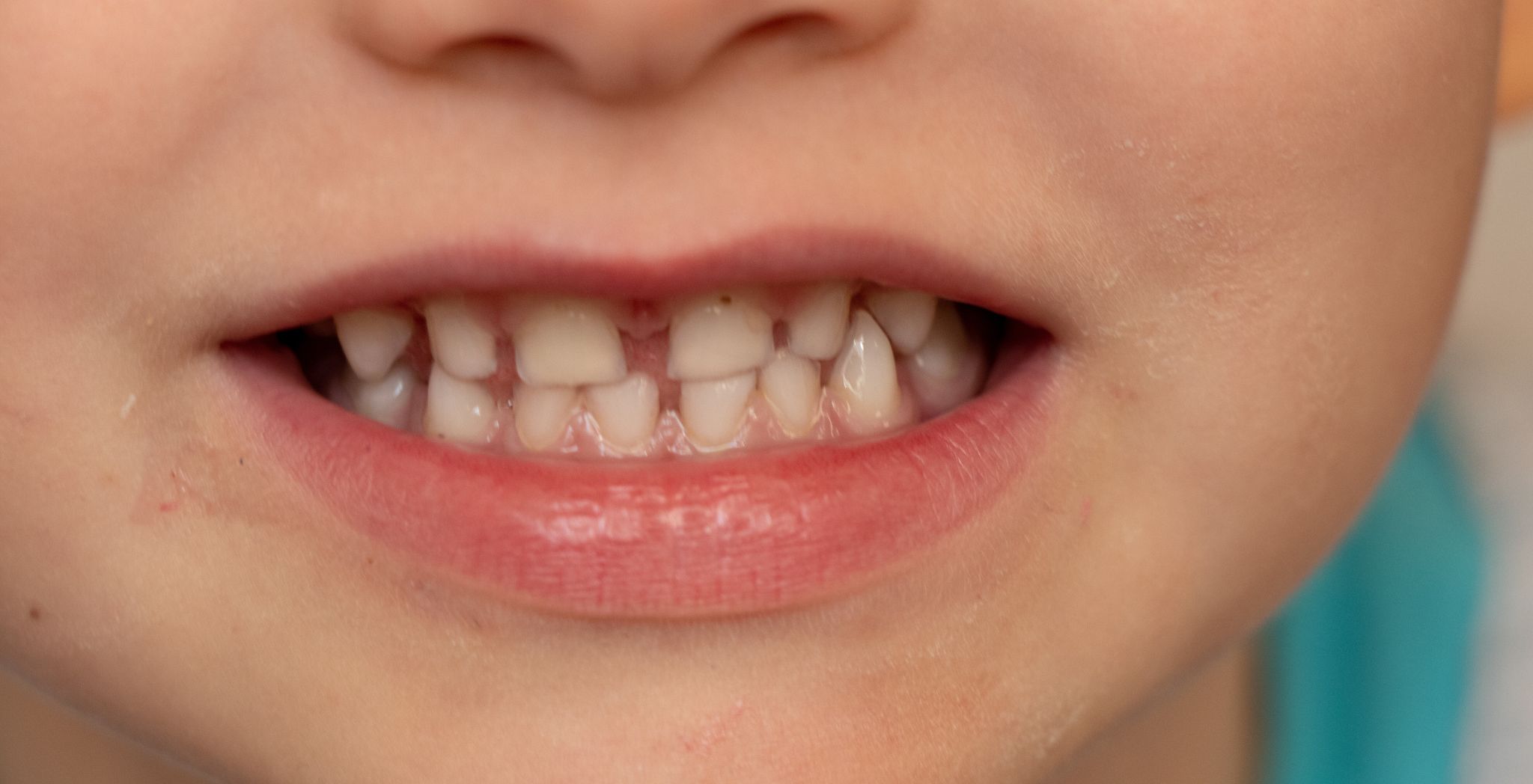
Many people experience discomfort after a root canal and may wonder whether dry socket may occur after dental treatment.
Dry socket is a condition most commonly associated with tooth extractions, where the blood clot protecting the extraction site becomes dislodged or fails to develop properly. Because a root canal procedure differs from a tooth extraction, the risk and causes of post-treatment discomfort are generally different and are not typically associated with dry socket in the same way.
Understanding the differences between dry socket, normal healing, and other possible causes of dental pain may help you know when to seek professional advice.
What Is Dry Socket?
Dry socket, also known as alveolar osteitis, is a condition that may occur after a tooth extraction when the protective blood clot at the extraction site is lost or does not form correctly.
The blood clot helps protect the underlying bone and nerves while the area heals. If the clot is disrupted, the underlying tissues may become exposed, which can sometimes result in pain and slower healing.
Dry socket is most commonly associated with the removal of wisdom teeth and other dental extractions.
Can You Get Dry Socket After a Root Canal?
A dry socket is most commonly associated tooth extractions rather than root canal treatment.
During a root canal procedure, the tooth remains in place while the infected or damaged pulp inside the tooth is treated. Because no extraction socket is created, dry socket is not usually associated with root canal treatment.
However, some people may experience discomfort after a root canal for other possible reasons, including inflammation of surrounding tissues, infection, or bite-related issues. If pain persists or worsens following treatment, it is important to contact your dentist for assessment.
Risk Factors for Dry Socket After a Tooth Extraction
Dry socket is most commonly associated with tooth extractions and may be influenced by a range of possible factors, including:
- Smoking
- Poor oral hygiene
- Previous dry socket history
- Difficult extractions
- Oral contraceptives
- Premature clot loss
How to Reduce the Risk of Dry Socket
After a tooth extraction, your dentist may provide instructions to support healing and reduce the risk of complications.
These may include:
- Avoid smoking
- Avoid drinking through a straw
- Follow post-operative instructions
- Maintain good oral hygiene
- Eat softer foods during early healing
Following your dentist’s recommendations may help support the normal healing process.
How Is Dry Socket Treated?
If dry socket develops following a tooth extraction, your dentist may recommend management to help relieve symptoms and support recovery.
Management may include:
- Cleaning the affected area
- Applying medicated dressings
- Irrigating the socket
- Pain management advice
- Follow-up appointments where required
The most suitable approach depends on your individual circumstances and clinical assessment.
Managing Discomfort After a Root Canal
Some mild discomfort following a root canal may be part of the expected healing process.
You may be advised to consider:
- Avoiding chewing on the treated tooth initially
- Maintaining good oral hygiene
- Following your dentist’s instructions
- Attending any recommended follow-up appointments
If symptoms worsen or do not improve, consider contacting your dental practitioner for assessment.
Frequently Asked Questions
Can dry socket occur after a root canal?
Dry socket is most commonly with tooth extractions rather than root canal treatment because no extraction socket is created during a root canal procedure.
What causes pain after a root canal?
Pain after a root canal may be related to inflammation, infection, bite pressure, or other factors that may require dental assessment.
How long does discomfort last after a root canal?
Recovery experiences may vary between individuals. Your dentist can provide guidance based on your specific circumstances.
What are the signs of dry socket?
Symptoms may include pain, an unpleasant taste, bad breath, or visible loss of the blood clot following a tooth extraction.
When should I contact my dentist?
If pain becomes severe, swelling develops, or symptoms worsen after treatment, it is advisable to contact your dentist for assessment.
Final Thoughts
Dry socket is a condition most often associated with tooth extractions rather than root canal treatment. While some discomfort after a root canal can occur, it is usually related to other factors and may be worth having assessed by a dental professional if symptoms persist or worsen.
If you have concerns about pain after a root canal or following a tooth extraction, the team at Aspendale Gardens Dental Care can assess your symptoms and discuss possible management options based on your individual needs.